Resilience Strategies: How to Stay Positive When Life Gets Hardwith Bob Violino
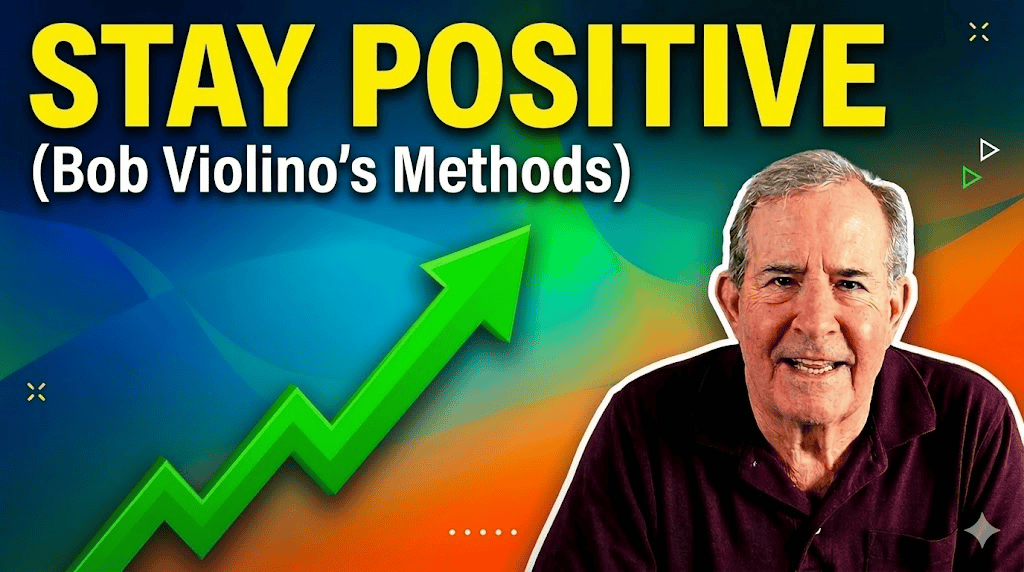
Overcoming Life’s Toughest Trials: Support, Humor, and the Power of Small Goals
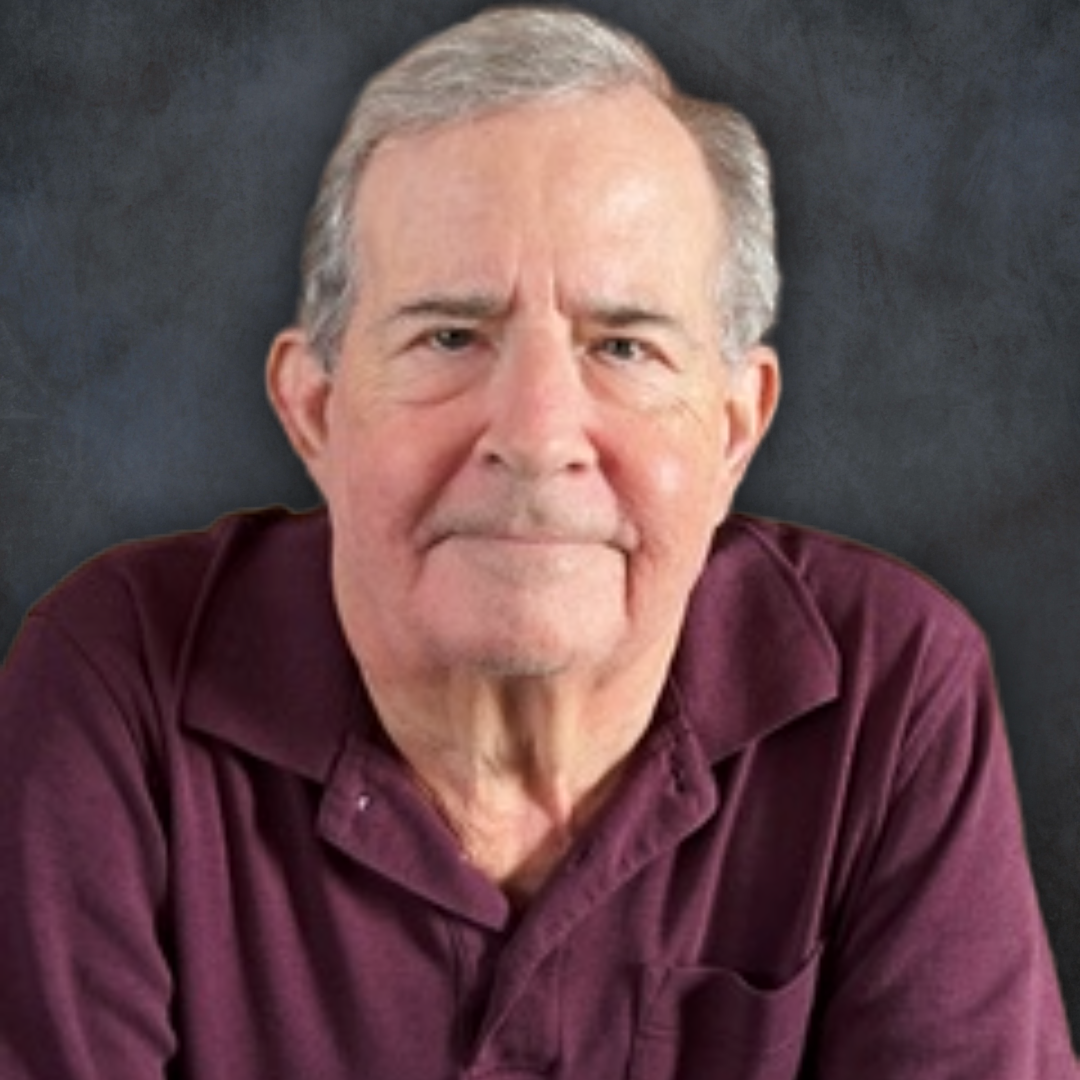
On this episode of the Social Chameleon Show, I sit down with Bob Violino to dig deep into what keeps us resilient, even when life tests us with hardship after hardship. Bob Violino brings decades of experience—first as an analyst of business and technology trends, then as the author of "Life Lessons" and "New Life," where he turned his attention to the extraordinary strength of everyday people, including transplant recipients.
The conversation is honest and practical. Bob Violino shares stories from his own journey: surviving kidney disease, a major car accident, cardiac arrest, and even the loss of his foot—experiences that pushed him to develop daily habits around gratitude and mental toughness. The show covers what real support looks like, why specific acts of help matter more than vague offers, and how even small daily routines—like keeping a gratitude journal or setting realistic goals—can shift your mind toward resilience.
If you've ever wondered how to stay positive in the middle of chaos or how to show up for someone in need, this episode gives you clear, relatable examples you can apply right away. There's no sugarcoating here—just honest, actionable insights on facing adversity and building a life you can be proud of.
Enjoy the episode!
Key Themes
- Building and maintaining positivity
- The role of support systems
- Overcoming adversity and setbacks
- Goal setting and breaking down tasks
- Developing resilience through practice
- Using gratitude as daily discipline
- Importance of humor during challenges
Lessons Learned
- Gratitude Is Deliberate
Practicing gratitude is not just a feeling—it’s a daily choice and active discipline for a resilient mindset. - Support Matters Most
Having friends, family, or even a single person present makes facing hardship much easier, even without knowing exactly how to help. - Accept and Ask for Help
Dropping pride and letting others support you can help both you and those wanting to make a difference. - Presence Over Platitudes
Specific actions like visiting or bringing a meal can mean more than generic words like “let me know if you need anything.” - Journaling for Positivity
Writing down daily goals or gratitude helps shift focus onto progress and positive moments, no matter how small. - Set Achievable Small Goals
Breaking big tasks into simple, doable milestones builds motivation and shows what you can accomplish step by step. - Faith and Humor Heal
Many people recover and thrive by leaning on faith (in any form) and keeping a sense of humor through challenges. - Resilience Can Be Learned
Bouncing back isn’t just innate; it’s something you can develop through practice, reframing, and continuing forward despite setbacks. - Meaningful Impact Counts
Living a legendary life means making a positive difference, whether for one person or your wider community. - Doing Hard Things Strengthens You
Facing discomfort, like ice baths or challenges, grows your ability to handle more adversity later on.
Life Lessons: How I've Learned To Embrace Gratitude, Positivity, Resilience, And Joy
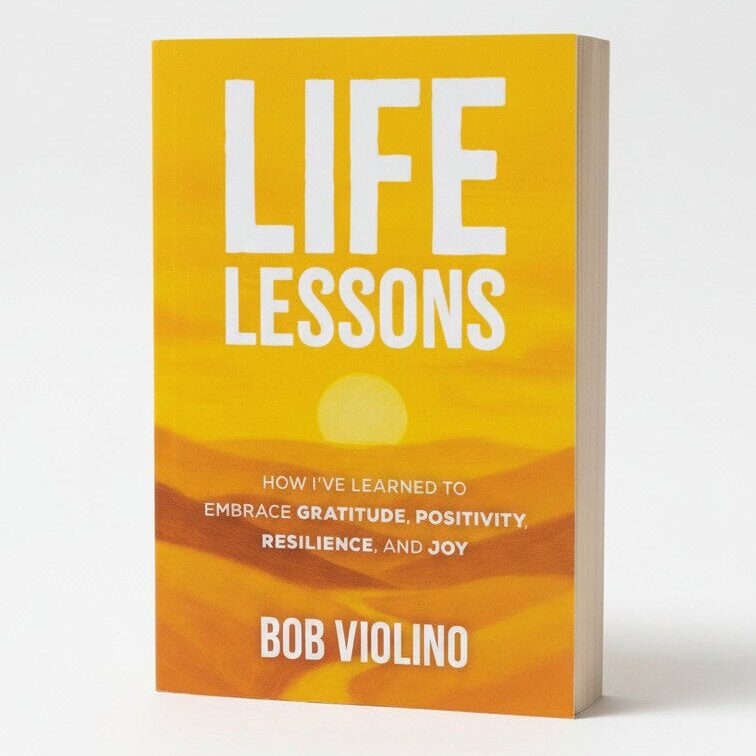
In his third book, Life Lessons: How I’ve Learned to Embrace Gratitude, Positivity, Resilience, and Joy, Bob Violino draws from his personal history of overcoming significant medical adversity, including near-fatal cardiac arrest and kidney disease. The book serves as a practical guide for shifting one’s mindset from surviving to thriving by viewing obstacles as opportunities for growth.
Key Themes and Insights
- Resilience through Adversity: Detailed accounts of navigating life-threatening health challenges and the mental strategies used to emerge stronger.
- Mindset Mastery: Actionable techniques for breaking free from negative thinking patterns and cultivating a lifestyle of positivity.
- Presence and Gratitude: Practical advice on immersing oneself in the present moment and finding joy in everyday experiences.
- Purposeful Living: Guidance on how to navigate life’s uncertainties with a fresh perspective and a sense of deeper meaning.
The book is designed to provide readers with a “lifeline” of hope, offering research-backed insights and personal anecdotes to help them recognize the good in the world without ignoring its inherent challenges.
Bob Violino is a veteran freelance writer and journalist with over 40 years of experience covering the latest trends in business and technology. Since 2002, he has produced articles, newsletters, and content for a wide array of print and online publications. Beyond his corporate and tech reporting, he is the author of a personal blog titled "Embracing Gratitude and Positivity." He has authored three books: Life Lessons: How I Learned to Embrace Gratitide, Positivity, Resilience, and Joy, New Life: Lessons in Faith and Courage from Transplant Recipients, and Children of the Light.
Weekly Challenge Trophy Legendary Weekly Challenge
This week’s challenge is to start a gratitude practice. Every morning when you wake up, think of three things you’re grateful for—and try to make them different each day. Go beyond just naming them; reflect on why you’re grateful for each one, whether it’s your spouse, your job, or something as simple as a meal. If three feels like too much, focus on just one, but the purpose is to start your day with intentional gratitude.
This simple habit can help shift your mindset and build a foundation for seeing positive things in your life, even during tough times.
SELECTED LINKS FROM THE EPISODE
Resources Mentioned
Here’s a detailed rundown from the episode:
The Comfort Crisis by Michael Easter. In The Comfort Crisis, Michael Easter explores how our modern obsession with ease and convenience is making us physically and mentally stagnant. By combining evolutionary science with a month-long Alaskan hunting expedition, Easter provides a roadmap for reintroducing "beneficial discomfort"—like hunger, boredom, and physical hardship—to reclaim health and resilience.
People doing hard things, here are a few examples. David Goggins. Cameron Haynes. Jocko Willink.
Anterior Midcingulate Cortex (aMCC): Andrew Huberman highlights the anterior midcingulate cortex (aMCC) as a key brain region responsible for resilience, willpower, and decision-making during difficult tasks. This area, often referred to as the brain’s “grit center,” grows stronger and larger when you consistently push through discomfort—such as during exercise, cold exposure, or facing fears. Huberman explains that the aMCC is directly linked to mental toughness, with studies showing individuals who regularly challenge themselves (like athletes or those overcoming obesity) tend to have a more developed aMCC compared to those who avoid discomfort.
How It Works: The aMCC activates during moments of conflict, uncertainty, or effort—like resisting temptation, waking up early, or continuing a tough workout. Each time you choose to persist despite discomfort, you’re training this neural circuit, making it more efficient over time. Huberman emphasizes that this isn’t just “mental” effort—it’s 100% neural, driven by brain signals, not just willpower.
Practical Application: You don’t need extreme challenges to benefit. Simple, consistent actions—like a cold shower, a brisk walk, or doing a few push-ups—can strengthen the aMCC. Huberman recommends focusing on effort, not results, and staying within an “optimal discomfort zone” where challenges are tough but manageable, avoiding burnout while maximizing growth.
More Interviews With Outstanding Guest's
- « Previous
- 1
- …
- 5
- 6
- 7
Episode Transcripts
Show notes and transcripts powered with the help of Castmagic. Episode Transcriptions Unedited, Auto-Generated.
Tyson Gaylord [00:00:05]:
Welcome to The Social Community Show, where our mission is to help you learn, grow, and transform your path to becoming legendary. Today we're discussing the mechanics of the human spirit. For over 40 years, Bob Villalobos analyzed the calculated world of business and technology trends. He then made a profound pivot. He turned his analytical mind toward the most complex system we possess: human resilience. Bob is author of Life Lessons, his newest book, and New Life, exploring how transplant recipients and everyday people can find extraordinary courage in the face of seemingly unsurmountable obstacles. If our mission is to learn, grow, and transform so you can become legendary, Bob is the exact guide we need today. He shows us that gratitude is not a positive feeling, it is a deliberate daily discipline.
Tyson Gaylord [00:00:50]:
We are gonna explore how to build mental toughness, navigate severe adversity, and shift your mindset to spot the wonders where others see only chaos. Get ready to take notes. Without further ado, let's talk with Bob. Bob, welcome to the Social Chameleon Show.
Bob Violino [00:01:05]:
Thanks so much. Pleasure to be here.
Tyson Gaylord [00:01:08]:
So you have quite an interesting background, and it seems like from the things I, I looked into you about, you've seemed like a very lucky guy. You've had a lot kind of go on in your life personally and whatnot. How do you kind of stay in this positive, how do you stay in this mind frame? There's so much going on. Like I said, seems like luck is on your side.
Bob Violino [00:01:30]:
Well, it's not always easy. Positivity is something I've written about quite a bit in my blog and in the new book. But I tell this to people all the time, it's not easy to maintain positivity. We live in a negative world for the most part. The news that we watch on, what we read can be very— can lean towards the negative, and we tend to emphasize negative. I think that's sort of like human nature. So I will say that it's not an easy thing to do, but it really has depended on each episode that I've experienced in my life. Like, I had kidney disease fairly early on.
Bob Violino [00:02:16]:
It started when I was in my in my 20s and had to go on dialysis. And that took a lot of effort to maintain positivity during that time period. I had a young family and it was difficult to work full-time. And so, I had to constantly tell myself, well, look at the positives, look at the positives. And luck is, certainly I've been fortunate. I had Even before that, I had a car accident that I remember when I, when I was, I was, my car was hit twice and I did not have my seatbelt on and I went flying through the passenger door.
Tyson Gaylord [00:02:57]:
Oh no.
Bob Violino [00:02:58]:
I was unconscious. My head hit the concrete in the street. And I remember the ER doctor telling me when I, when I came to, you're, you're really lucky you survived this. And, you know, in most cases, that wouldn't, that wouldn't have happened. So, and then with the kidney disease, I ended up getting a transplant from my wife in 1995. We happened to be a really good match. You know, that happens a lot with siblings, parents, children, because you're, you know, you're genetically related. Spouses, not so much.
Bob Violino [00:03:35]:
So I was very fortunate that we were a good match and And here we are 30 years later. I just celebrated the 30th anniversary in—
Tyson Gaylord [00:03:44]:
Congratulations.
Bob Violino [00:03:45]:
Thank you. In October. So I would consider that very lucky. And I had a cardiac arrest in 2022 in which I was clinically dead for almost 10 minutes and not only survived that, but came out of it without cognitive damage, which is fairly rare for something like that. So, I mean, there could have been brain damage, there could have been all kinds of things, but I came out of that. And not to bore you with medical stuff, but the last thing I want to mention is I had to have— I had a vascular condition and my left foot was basically circulation got cut off. Um, there was no— there were no vessels that were working, so I had to have my foot amputated. And, and after the surgery, I was doing fine for a few days, and all of a sudden things started tanking.
Bob Violino [00:04:46]:
I went into respiratory failure, I went into heart failure. Um, I was in the ER— I'm sorry, in the ICU for, uh, several weeks, and things are not looking good. I remember writing goodbye notes to my family. Wow. And it was really, really touch and go there for a while. And then I recovered. So in all these cases, I guess you could say I've been lucky. I would rather they have not occurred in the first place.
Bob Violino [00:05:12]:
But given that they did, you know, I came out of it and here we are. I'm here talking to you about it. So I think, you know, one thing that's been key to remaining positive is support. From family, my wife Renee, my sons, other family members, and of course the medical staff, the healthcare professionals who helped, friends. It's very— I think it's very important to have a support group. It's, I think, really, really hard to get through stuff, difficult challenges, if you're doing it or trying to do it by yourself. We all need others to help us through. And so that's a key part of the positivity thing.
Bob Violino [00:06:01]:
There have been times when, you know, I was in the hospital and, you know, I remember I had one of these after the foot amputation. I was in for 5 weeks. And, you know, it really— you have days, you have ups and downs. And when you're going through a difficult time, it can be it's really tough to be upbeat. And I remember nurses or physical therapists or other professionals who would be helping me out would come in and just cheer me up. And that was important. And of course, family members, like I said, very important.
Tyson Gaylord [00:06:41]:
With support, what does that look like? Are you talking to your family and saying, hey, this is what I need, this is what I would like? Because a lot of times when you know, we all have tragedies. We probably don't experience enough, so we don't have a good, I guess, frame of reference or something. So everybody's like, oh, oh, I feel so bad for you. Oh, so sorry for that. But those things maybe don't seem to work. What are you saying something to people? How does that kind of look for you?
Bob Violino [00:07:02]:
I think just, just people being there for you, even if— even let's say in the hospital, going back to that, even if I have visitors come in and just hang out, just hang out, you know, they could be, they could be, you know, having lunch there or or reading a book, just their presence is comforting. And of course chatting and distractions, watching something on TV, a movie or something like that, or working on puzzles together, crossword puzzles. I remember after the cardiac arrest, both my sons happened to be in the hospital visiting and they would quiz me. We would work on the New York Times crossword puzzle. Oh, um, and which can be pretty challenging. And they would, they would give me the clue and I would try to come up with the answers. And that was probably very helpful in retrospect. And I look back on that and keeping my, keeping me sharp, you know, when at a time when I probably needed that, you know, you talk about, you know, the cognitive impact of something like that.
Bob Violino [00:08:07]:
So, um, you know, things like that. And no, I think I think support isn't necessarily, you know, what you said earlier, oh, I felt so bad for you and this is terrible. I think a lot of people, I don't want to hear that. I'd rather hear how you're doing, how's it going, what do you need, or what can I get you, what can I do, or, you know, you know, what, in what ways can I— a lot of times they don't even have to ask. It's just I'll say, you know, would you mind getting me this or that, whatever. For doing this. And I think just the being there, being present, and showing that they care. You know, it can be a phone call from somebody or even a text from somebody.
Bob Violino [00:08:53]:
I remember when I was in for one of my procedures and my birthday was coming up and I got overwhelmed with texts from people a lot of whom I hadn't heard from in a while, you know. And yeah, it might have been sort of a transient thing, but just getting that, you know, that sense of support or, you know, hey, I'm thinking about you, you know, it was important for me at that time. So I really appreciated that. So I think support can be manifested in any number of ways. But I think just even the simplest things, You know, calling somebody you know who's hurting, you know, going out to, you know, to for a meal or something like that, or just stopping by to watch, watch something on TV or, you know, whatever is important.
Tyson Gaylord [00:09:50]:
So I'm trying to— so even though if it's not necessarily I say I'm the person that's seeing you and I'm like, I don't know what I could do for you, but just kind of saying like, hey, you need something, let me know. That can be enough. Even though sometimes it can't plan, or like, I don't— like, I don't know what I could do for you. I don't really know what you need done. Maybe I can mow your lawn or something. But you know, if I don't really— you know, some— because sometimes it feels like it's like, you know, when people say things to you, like, you're like, I don't know what to tell you. I don't know how you can help me. I don't know what you're doing.
Tyson Gaylord [00:10:20]:
These just sound like maybe like platitudes or something. And it's like You're not being helpful because you're not helping me, if that makes sense.
Bob Violino [00:10:28]:
Yeah, so you mean from the perspective of the person who's, who's, who's visiting somebody who's in need, or, or I guess either way.
Tyson Gaylord [00:10:36]:
Some— I'm trying to think of, you know, I'm trying to think of me personally, like when I've had something and I said— you hear those things like, oh, so sorry, anything you can do, let me, let me know. And I'm like, I can't think of anything I could possibly— versus in other people, um, or even I, you maybe I'll try to do this if I can think of something. It's like, hey, you know, I'm gonna bring by dinner on Tuesday. Don't cook nothing. I got a thing for you. I know things are tough. Like, I'm trying to like balance between the two of those. Like, you know, saying things that just maybe are like, oh, I'm gonna pray for you.
Tyson Gaylord [00:11:05]:
And it's like, okay, but does that really mean anything? But it sounds like what you're saying is even just the thought of that is enough.
Bob Violino [00:11:13]:
I think so. Although you're right, that does happen a lot with those generalities. Like, you know, Somebody will say, you know, let me know what I can do for you, keeping it very broad or whatever, right? As opposed to what you said, which is I'm bringing dinner by Tuesday, don't cook. That's a specific, you know, time and place. And that's great because then you're stating something specifically that you want to do, or even, you know, the mowing the lawn, like you said before, you know, I can come by and do— I'm going to come by on Saturday and do the lawn for you because I know you're not able to do it right now.
Tyson Gaylord [00:11:46]:
Right.
Bob Violino [00:11:47]:
Or so I think when you can be specific like that, that's great, you know, and it's not always easy because sometimes you can't think of specifics, but, you know, there's always something. Everybody needs help, you know. And I will say this from the perspective of somebody who's needed a lot of help or support over the years. You have to be kind of humble, willing to accept that. We all have— I have a lot of pride. We all have pride. Sure. We all want to be independent.
Bob Violino [00:12:18]:
I certainly do. And at times I've not been able to be independent. So you have to kind of learn to be humble and accept people's help. And in a lot of cases, you might be helping them. Somebody might really need to feel needed. And so it's always a good idea, I think, to accept people's offers to be there for you because, you know, you may be helping them in some ways more than they're helping you. Because I think we all have a need to be useful and helpful, you know, especially when it comes to somebody we care about, you know. And so it really kind of works both ways.
Bob Violino [00:13:00]:
You know, it can be a win-win when people Volunteer to help.
Tyson Gaylord [00:13:07]:
Okay, thank you for that, because I haven't experienced a lot of, uh, tragedy in my life. I, you know, most of my family's still alive, so I, you know, as I'm trying to think through what you're saying, and I'm like, you know, like, you're kind of saying with my grandma, she'll email me or call me like, oh yeah, I just spent 4 hours cutting the bush. I'm like, Grandma, I could have came down to 20 minutes and I would have been done in 10. Like, but she won't do it. And, and then I try to, like, then I'm trying to think like, oh, how do I How do I offer this to you and allow you to accept the help when she still wants to be independent even though she's getting up in age and, um, she thinks she can still do these things and she kind of can. But it's, you know, kind of like to my other point, it's like I don't know what to do to help, but it's like I don't want to show up. Or maybe I do need to just show up more, and maybe once every Saturday or something a month I'll be, you know, stroll out of my grandma's house like, hey, what do you got going on around here, you know?
Bob Violino [00:13:54]:
Yeah, yeah, because it's tough when somebody is independent And, and I'm guessing, like, if you— does she live by herself?
Tyson Gaylord [00:14:03]:
Yes, she's, she's lived by herself for quite a while, and she's been pretty independent majority of her life. You know, she, you know, exactly. I don't know what he died 7, 8, 10 years ago, something like that. So, but even then, they, they were very independent people on their own. So she does have that independent spirit.
Bob Violino [00:14:20]:
Yeah, yeah. And it can be difficult because that's— that makes them happy. The independence makes them happy. So It's a fine line. You don't want to go over there on your own and start doing the gardening or whatever. That might work again, that might backfire. So yeah, but I do think just visiting, just showing up and, hey, I'm going to hang out and chat for a little while. It's a nice day.
Bob Violino [00:14:45]:
Let's sit in the backyard or wherever on the front porch and hang out. She can still maintain her independence, right? But, and you're visiting, you're, you're, you're being there for her, uh, in some way. Oh, thank you.
Tyson Gaylord [00:15:02]:
That's very clarifying for me. Um, like I said, I have a hard time when I know somebody's experiencing tragedy, like, what do I say to you? What do I— like, but like you're saying, just saying, hey, I hope everything's great, let me know, seems like at the bare minimum that's a good gesture.
Bob Violino [00:15:17]:
I think so, yeah.
Tyson Gaylord [00:15:18]:
Good, good. That's good to know. Thank you. I think that can help some people out there listening as well. How do you— like you talked about kind of earlier, when things get dark, things get down, you know, you're having setbacks, whatever— how do you keep the positivity? Is there like some type of discipline or some type of journaling methodology? Like, what have you found that works? What do you like to think about?
Bob Violino [00:15:40]:
I think when you're in a really dark place when, you know, like where I've been, let's say after some of the surgeries I've had or after the cardiac arrest, I remember feeling this like maybe it wasn't clinical depression, but I was— it was— it felt like that. And I think you have to kind of acknowledge it first. You have to sort of let yourself feel that way. I know psychologists like to say that, you know, feel the— feel the— feel what you're feeling. Allow yourself to feel that. Pain or loneliness or whatever. And don't just— you can't just flip a switch and say, oh, you know, it wasn't such a big deal, I'm okay. It takes time, and it can sometimes take a long time.
Bob Violino [00:16:26]:
But, you know, you got to allow yourself some time to heal. And then I think surround you, just do things you like, do things you like. So, you know, whatever that might be, hobbies, you know, that you, that you enjoy. If as soon as you're physically able to do them, like you're hiking or mountain climbing, whatever you, whatever you want to do, skiing. And so give yourself time and then do those things, positive things. Try to hang out with positive people, um, you know, and, uh, and you climb out of it. It can take a while. Uh, you seek professional help too if you need it.
Bob Violino [00:17:09]:
I can't emphasize that enough. If you feel like you're really down in the dumps and nothing's getting better and you're, you, you, you, it just seems like there's, there's nowhere to turn, that's when you, I think you need to see a professional and talk it out. And, you know, I think I've known people who hesitate to do that and it's, it's kind of a pride thing. Oh, I don't, I don't need to see a shrink or I don't need to see, I'm, I'm good. I'm, I'm strong. But we all need help now and then, I think. And so I would, like I said, I would urge somebody who's really, really having issues to seek out professional help, even if it's just for one session, to try to, try to get on the right path. And or you can speak to clergy, you know, and, and talk things out with them.
Bob Violino [00:18:02]:
So there's a lot of resources. We just have to know where to find them and have the, um, the desire to seek them out. So is there—
Tyson Gaylord [00:18:16]:
I'm trying to think, like, when you're in that, that's that depression state, or you're in that kind of the beginning stages, maybe, maybe, uh, you're not accepting it yet or something like that. Is there maybe, uh, a journaling technique or some type of mantra or affirmation or something like that where you can start to kind of accept what's going on and then start to dig yourself out? Or maybe there's a, maybe like a morning practice or something like that where you constantly do this and you kind of keep the, you know, you kind of keep your car tuned up a bit, you know, if you want to use that metaphor.
Bob Violino [00:18:46]:
Yeah, I think journaling is a good idea. I think that's, that's a very good idea. And I've done some of that. I have a gratitude journal book that I write in. I should, I should use it more often than I do, but it's helpful just to write down, hey, this is what's positive. This is— these are things I'm grateful for today. These are the things, um, uh, that I'm really thankful for. This is what I hope to accomplish today.
Bob Violino [00:19:08]:
Oh, this is my aspiration. My— this is what I'm, I'm hoping to, to— this is how I'm going to do something to help affect somebody in a positive way. I'm going to do something, you know, to, to help somebody else. I think that's, that's, uh— and, and by writing it down, it takes it a step farther than just thinking about it and having it be a fleeting thought. You write it down in a journal or on a notepad, and it's a little, I think, a little more, has a little more meaning if you do that. So that's a good idea. And you know, another thing I just thought of is making progress. You know, like if you're recovering from something, small, you know, accomplishments.
Bob Violino [00:19:51]:
I remember when I, when I had one of the surgeries, it was difficult to make, make the bed. I had to struggle. It was, it hurt to bend over and pull the sheets up and all. But I, I did it and I, and I worked through it. And, and those first few days, you know, I, I put down, checked off one of my goals today was to make the bed and I, I check it off as something accomplished. It wasn't easy the first few weeks, but then it got easier and easier.. But things like that, or, and that's one of the things I talk about in the book is the importance of goal setting. You know, we all, you know, you can write down at the beginning of the year, this is what I hope to accomplish.
Bob Violino [00:20:30]:
But I think it can be even more effective if you have daily goals or even weekly where you can write down what you hope to achieve and then try to achieve that. It's kind of like a to-do list, But sometimes it can be a bigger thing. You know, like when I was writing the book, I said, well, I want to try and write a chapter today, a full chapter, or this week. This week I want to get a chapter done. And by doing that, I kind of made myself think, not let myself off the hook with excuses, you know, oh, I don't really feel like doing it. I would get it done. So I think that's a good way to stay positive too, because you achieve something, you get something done in that time period. So that's helpful.
Tyson Gaylord [00:21:24]:
When you're listening to talk about this, I'm thinking, let's say, so you say your goal for the week is, you know, making it better, doing your book chapter, and then you're saying, okay, to do this by let's say Sunday, this is Monday, by next Sunday I want to have this done. Are you then taking that weekly goal and then breaking it into like micro goals? Like every day I need to sit down for an hour and just do some kind of writing, or, uh, you know, today I'm just gonna get the blanket back up on the bed because that's gonna be hard for me, and tomorrow I think I can maybe sort of put it on there. Is that something— is that how you're thinking about this?
Bob Violino [00:21:58]:
Yeah, yeah, I think so. Um, it is a good way to break it down, like something like, like the book chapter. That, that can be ambitious, you know, doing it in a day for sure. But let's say it's a week, then yeah, you could break it down by, this is how many words I wanna write today, you know, and then it's, I wanna write 500 words in that chapter by the end of today and tomorrow maybe 700, you know, and whatever. And then, so it, it's not like you're saying I've gotta write 3,000 words today because that can be, As a writer, I know that can be pretty overwhelming. But yeah, you can certainly break the goals down into segments to help them be more achievable because goals, let's face it, have to be achievable, right? You know, I'm not going to make it. I'm not going to say, well, my goal this month of March is to climb Everest. I want to do that.
Bob Violino [00:22:51]:
I know it's not going to happen. So it's got to be a realistic goal. Um, it can be hard but not impossible. In my case, climbing Everest would be at this point pretty impossible.
Tyson Gaylord [00:23:05]:
Yeah, so when you're talking about this, I'm thinking, you know, if I have— I set myself this ambitious target for whatever, the week or the month or the quarter, sometimes I'll be like, oh, where do I start? I don't even know where to begin. And then you get into that kind of mode. Yeah. Is there any other goal-setting techniques that you've developed, or you, you kind of teacher, or—
Bob Violino [00:23:24]:
Yeah, if you get stuck, um, if I get stuck on something, um, like let's say writing— I keep coming back to that because that's what I do, I'm a writer, right? So let's say I'm working on an article for a client, for a client, and I, I just can't come up with a good lead. I can't think of how to start the article. And this is— this has happened to me a bunch of times. Instead of, of just being stuck there and, and not being able to progress, I say, well, all right, you know what, I'm gonna, I'm gonna start in the middle. I'm going to think of, you know, something I want to say. I've got some quotes that are really good that I want to put in there. So I put the quotes into the article and then I start with that section. It can even be the end of it.
Bob Violino [00:24:02]:
I think, oh, this is a great conclusion here, so I'm going to work on this first. And then once I start writing from other parts of the article, all of a sudden a lead develops in my mind and I've got the lead and then I can put that in. So You know, something like that. Um, you know, I'm trying to think of another example, uh, that doesn't involve writing.
Tyson Gaylord [00:24:27]:
Um, I like what you're saying though. It doesn't have to be linear, right? You can start wherever you need to start to get going.
Bob Violino [00:24:35]:
Yeah, I think so. Um, it could be with projects too. Let's say I've got a bunch of assignments on my list to do. And I look at them as, well, I don't want to start with that one. I really, I'm not looking forward to that. So I'm going to go to one that's due maybe a little bit farther out than the first one in terms of deadlines. But I'm going to work on that because I feel ready to work on that one. So I start with that one and then maybe the next day I feel like working on the first one that has a tighter deadline.
Bob Violino [00:25:05]:
So sometimes it's a matter of, you know, shifting things around on your to-do list. Um, some people, you know, have the philosophy of, well, start with the worst thing that you really don't want to do today. Get it out of the way, get it done. Um, and that could be another way of— and then the rest is easy, you know, the other things are easier, right, easier to achieve. Um, so that's another tactic you can use.
Tyson Gaylord [00:25:33]:
Yeah, sometimes another one I've kind of learned is, um, looking at your kind of overall thing and saying What is one thing I could do that could either remove these items or eliminate them altogether? Like by doing this A, you know, C, D, G, and Y all just kind of get handled on their own by kind of starting with this one, like kind of looking at more of a holistic view of everything. Like, you know, I've asked, kind of seems to help as well.
Bob Violino [00:26:05]:
Yeah.
Tyson Gaylord [00:26:05]:
I'd like to go back to kind of the kidney transplant because it's kind of interesting, I think, um, being your spouse and whatnot. Was there any, uh, maybe guilt or something like that that was like, you know, I don't know if I want to take this from, from my spouse, you know, the mother of my children and stuff like that? Is there anything like that you had to kind of work through?
Bob Violino [00:26:22]:
Oh yeah, absolutely, absolutely. When she first volunteered to be a donor, because I had had a previous transplant that the year before that failed, didn't work. And my, my, my siblings, some of my siblings volunteered to be donors and they, they did the blood test, the tissue typing match. And for one reason or another, they couldn't, they couldn't be donors logistically or whatever. And when Renee said she would want to volunteer to be tested, I said, thanks, thanks so much. I really appreciate it. But no, I, I can't let that happen. And I was pretty adamant about this because for one thing, I was thinking, what if she goes through this? That's a big operation, donating a kidney.
Bob Violino [00:27:07]:
Back then, it was— they didn't have laparoscopic techniques like they do today, which is much easier on the, on the donor. It was a difficult, major surgery. And I'm thinking, what, what if she does that, goes through with this, and it doesn't work? I'm going to feel absolutely horrible. So, and yes, I was extremely concerned about her welfare. So it took a lot of convincing and we did do the blood test. And when she turned out to be a great match, well, all of a sudden it seemed like this, this was, this might really be the way to go. But I still needed more than that, you know, and I needed the doctors to reassure me. That everything was going to be okay or to assure me.
Bob Violino [00:27:56]:
And then when it came time to scheduling the actual surgery, they said, well, the best and closest date we have available is October 25th, which happens to be our wedding anniversary. Nice. So that kind of clinched it at that point. I'm saying, wow, the stars are aligned. I can't fight it. Right. So I, I, I agreed, but it doesn't mean I wasn't still concerned. And, you know, I remember coming to after the operation in the recovery room, and the very first question I asked the nurse was, how's my wife? How does my wife— how did my wife come out of surgery? Because that meant everything.
Bob Violino [00:28:43]:
Not how is my kidney— how's the kidney doing, but how is she doing? So it's not an easy thing. And over the years, there have been times when I felt like, you know, this is a tremendous sacrifice. And then I've said that, and she does not like to hear that. She doesn't look at it that way, right? She did this because she wanted to do it, and it wasn't an obligatory thing or anything like that at all. So And this is kind of how it should be between donors and recipients. I think us recipients have to realize that donors, living donors, are doing this because they want to. Right. And there should be no feelings of guilt or, gee, how do I repay this? You can't repay it.
Bob Violino [00:29:33]:
You can't possibly. So don't even think of ways. You know, I buy her flowers on our anniversary, things like that. But there's no way you can possibly, right, replace something like that. So, yeah, it was interesting, the whole experience. We got a lot of media coverage and on TV and newspapers. And because back then, spousal donations were still pretty rare.
Tyson Gaylord [00:29:58]:
So that's tough. I can't imagine such a thing. Um, how did you, I guess, work through that mentally? What was the, the self-talk like, kind of saying like, hey, this is a great gift, she loves me and she wants to do this, this is going to be great? Apparently it worked out well. You've had this kidney for 30 years now, so it was a really a tremendous decision, especially you already had one that was rejected. How did you work through that? What was the self-talk like?
Bob Violino [00:30:23]:
Um, I just thought through why she was doing this, the fact that she, from her perspective, she was trying to We had our one, our first son at that point. The second, the younger son wasn't born yet. She said she wanted me to be around. He was 8 years old at the time, I think. Okay. And she didn't want him to lose his father, and she didn't want to lose me, her husband. So there was a lot of, you know, I understood that, and I told myself that over and over again. This isn't some small favor.
Bob Violino [00:30:59]:
This isn't some, some small matter. It's a big deal. And the doctors were all telling me, you, you have to have this done. I was going downhill fast. I had been on dialysis and my health was declining and, you know, this needed to be done. So it wasn't like I had all, oh, let me think about it. Let's maybe think about it and come back, revisit in 6 months or maybe next year. It wasn't going to work that way.
Bob Violino [00:31:26]:
So time— there was kind of a time crunch pressure there. And, you know, I had to be practical. I had to put emotions aside in terms of, you know, how is this going to work out and think of what's best for all of us here. And to my wife's credit, she never ever has questioned her decision. Never had any doubts either about being a donor. So that was very helpful too.
Tyson Gaylord [00:31:59]:
That's amazing. So you also wrote a book, "New Life," where you documented the experiences of transplant recipients. What's some of the lessons we can learn from them?
Bob Violino [00:32:09]:
Yeah, that was my first book, 2003. And I think, you know, resilience is a big lesson. And I talk about that in my latest book. Right. We all have built-in resilience. We all, we all, it's, it's part of our human experience. I think it's part of survival. So some people are maybe come by it more easily than others and we can, we can learn it too.
Bob Violino [00:32:35]:
We can learn to be resilient. Right. And I think that's a key part of, of all of this we talked about earlier. Like how do you bounce back? How do you be positive? After, after challenges? Well, you have to rely on resilience. You have to be able to fight, keep fighting, and sometimes for long periods of time, because, um, you know, it can take a while for the healing process to, to be, to, uh, complete. So, um, I think I learned that in interviewing all those people And some of them had heart transplants, some of them had lung transplants, liver transplants, bigger deals. Kidney transplant is a big deal in its own right, but those could certainly be— if a heart transplant fails, you're, you're in big trouble. Same with lung transplant and liver.
Bob Violino [00:33:30]:
Kidney, you can always go back on dialysis if you, if you can. But so I think I learned that all, almost all of these people had resilience built into them and relied on it heavily. And I think there was a lot of faith that was a running theme. They all had faith, whether no matter their religion or even no religion, if they just prayed a lot and, you know, and relied either on clergy or on religious practices. That was important. Their attitude was important. They all had— a lot of them had in common the positive attitude, a can-do spirit, you know, you know, I can get through this. And I think, you know, a lot of them also had a sense of good sense of humor.
Bob Violino [00:34:28]:
They were— they didn't take themselves too seriously. Um, and also great support system, you know, people around them who were there when they needed them. So, you know, those, those are some of the common, uh, traits of those people.
Tyson Gaylord [00:34:45]:
Seems like those are the same kind of traits you see in, uh, maybe big biblical texts or ancient writings where these things are, you know, kind of getting away from yourself a bit. And, you know, being of service and those types of things. Were the people that did well after the transplant, do you think they had a good sense of resilience before or they developed it along the way?
Bob Violino [00:35:08]:
Well, probably both, because they would have had to have some resilient— a sense of resilience prior to, because they would have been going through some sort of a, a condition like a heart problem or a breathing problem or whatever So they had to kind of learn, I think, to be resilient even to get to the transplant point. Oh, okay. You know, and then, and then once that was, they were past that, they definitely had to rely on the resilience to, to recover, recuperate, deal with challenges like the, the drugs you have to take for the rest of your life to keep the organ from being rejected. It's not like, you know, it's not an easy road afterwards. You have to continue to maintain that sense of resilience. For the rest of your life, pretty much, you know, and you can have ebbs and flows. Like some days you feel okay and some days you're not so great and you have to keep, you have to push through those days and when you're not feeling great. And that's, I think, where again, where resilience comes into play.
Tyson Gaylord [00:36:08]:
From your experiences and or what you've learned from the recipients, was there something, you know, maybe a common theme or something where people would help cultivate this resilience? Was there techniques or, I don't know, trainings or something that people were doing or you were doing?
Bob Violino [00:36:23]:
I, I don't know, um, if I say training, I think it just, it takes practice, you know. It takes practice. You have to try and you have to do a lot of like, uh, um, changing your, your thinking and having, you know, you have to keep pushing yourself back towards positive thinking. And, you know, you might slide back a little bit and you got to push yourself again into the positive thinking. So I think that's part of it. I think it really works differently for different people. You know, everybody has different ways of handling challenges and there isn't a better way necessarily. It's whatever works.
Tyson Gaylord [00:37:09]:
Individual.
Bob Violino [00:37:09]:
So, um, I think, you know, doing stuff you like. I remember one, one guy I knew who I wrote about, uh, had a heart transplant, and he, he played in a band. He was a guitar player, um, and he loved it. He just loved playing guitar. So as soon as he was able to, he got back into his band and he'd go, they'd do shows, you know, and and he really enjoyed, got a lot out of that. That helped him stay positive. He could look forward to that next concert and whatever and something like that. Or another woman who I wrote about who got a lung transplant, she liked to climb mountains.
Bob Violino [00:37:51]:
I mean, I was talking about Everest before. She was a serious mountain climber. And as soon as she was able, this is a woman who had a lung transplant. And she went back to that kind of thing. Hiking, really challenging hikes and, uh, and stuff like that. So, um, doing stuff again, doing stuff you like, you enjoy.
Tyson Gaylord [00:38:11]:
I feel like this kind of comes back around to goal setting, right? You've got a future thing you're working towards, and then you got these micro goals, like I gotta get ready for my transplant, I gotta get healed from the transplant, and then I can start marching towards my concert I want to do, my, you know, mountain I want to climb. Do you think there's something that those people see that we don't see because, because they're going through something? Is there some maybe change in perspective or, or something along those lines?
Bob Violino [00:38:39]:
I think they have— they just have the ability to compartmentalize stuff. Okay. You know, you might be— let's say you're going through a, a challenge and your, your mind is focused on that. You know, you, you, you can't help it, but then you think, well, all right, but over here, I've got this great thing coming up, this great trip that I'm looking forward to, or, you know, great restaurant I want to try out or something, or concert I want to either go to or perform in. So, you're able to kind of push yourself towards thinking about those things and not so much about the thing that's bothering you. And I think we all struggle with this. You know, we have a tendency to worry about a lot of things, you know, and we spend so much time worrying about stuff that in a lot of cases ends up never happening, bad things that never happen. Or outside of our control.
Bob Violino [00:39:29]:
Yeah, exactly. Some things are out of our control. So there's really no point in so much worry that causes a lot of stress, and yet we all do it so much. So I think the people who are able to fixate on the goals they're looking forward to, things in the future, that they can accomplish or achieve. And by doing that, they downplay the serious experience they're going through. You know, no matter what that is, something at work, it doesn't always have to, it doesn't have to be medical stuff. You can have a big project at work that's on your mind and your boss is coming down hard on you. Come on, you gotta get this done., you know, it could be something like that.
Bob Violino [00:40:16]:
You know, it could be a difficulty or a relationship difficulty you're having within your family, you know, that, that is hard to overcome. You know, it can be any number of things that, that you're facing, any number of challenges to be able to get past the, the, the, the thoughts in your mind that are worrisome or, and focus on things that you look forward to, I think is a great skill to have.
Tyson Gaylord [00:40:47]:
Yeah, I've heard of this thing lately. I guess metaphorically it's like a muscle in your brain where the more hard things you do, the more that area of your brain grows and then vice versa. So if you seek comfort all the time, that area of your brain shrinks. So it does seem like there's something that's gotta constantly work at. And from what it sounds like, some of your stories is the more you kind of conquer that, the better you kind of get at things.
Bob Violino [00:41:12]:
Yeah, I, I haven't heard about that brain muscle.
Tyson Gaylord [00:41:15]:
I, I forget what it's called. I wish I— I'll put in the show notes for you guys if you're interested. Um, Andrew Huberman's been talking about it kind of lately. I don't know if it's a new discovery or it's just kind of made it to the zeitgeist or something like that, but it is interesting. David Goggins, I'm not sure if you're familiar with these guys, they kind of talk about kind of this stuff, doing hard things. Michael, shoot, his name is, he wrote "The Comfort Crisis." He talks about this as well.
Bob Violino [00:41:38]:
Okay, it sounds like a great idea. I mean, yeah, I think some of that is, I guess I could say I've been through some of those, you know, some challenges I've had to get myself past. And maybe, you know, I don't know if I'd say I've improved, I've gotten better at it, but, I can certainly see that maybe being the case. I think I've become stoic to a large degree.
Tyson Gaylord [00:42:03]:
Sure.
Bob Violino [00:42:04]:
I love stoicism. And yeah, I think sometimes you almost have to be that way. And I don't mean just become a robot and not let yourself feel emotions because you have to. Like I said, I mentioned earlier, I think we have to experience that. And I've heard this through reading about, you know, psychology and stuff, you have to acknowledge that something bad is happening to you or happened, I think, to get completely past it. To ignore it and take on this, what I've heard referred to as toxic positivity, where you're, oh yeah, you know, I have to go for root canal tomorrow. I'm really feeling great. I'm happy.
Bob Violino [00:42:48]:
I mean, everything's, you know, you're fooling yourself. Yeah, exactly. So, you know, but I think that idea of the more you use a certain skill like, or trait like resistance or resilience, I'm sorry, or perseverance, the better you get at it or maybe the easier it becomes, you know, over time. So I guess it depends on the challenge, but yeah, you know, I think that's probably a big part of people. I've gotten feedback, I think on my blog or maybe on social media from people who have said, gee, you know, how do you deal with, how do you get over this stuff so quick? Or how do you bounce back? And, you know, and then they reference, gee, you know, maybe it's because you've gotten better at it over time.
Tyson Gaylord [00:43:37]:
And, you know, so. Yeah, I do think there's something to it, which your stories, other stories I've heard, and then now some type of scientific research. It does seem like there's something to this. And I know personally, My example, I think classic examples, I ice bath pretty much every day. And at first it's like, why do you want to get into 30-degree water? That just seems crazy. But every time you do it, it gets easier and it's never easy. But the mental chatter, the, you know, when I first would do it, I would stand there and wander around and come up with 5,000 reasons not to get in. And personally, 10 to 15 seconds of discomfort.
Tyson Gaylord [00:44:17]:
That's— you spend all this effort and all this time to, you know, for 15 seconds, you forgot about it. Within 30 seconds, you forgot why you even stood there and didn't do it. But each time you do it, it's in a way— I kind of think it kind of harkens back to earlier in the conversation where, you know, just doing these things and, you know, I'm trying— I kind of lost my thought there.
Bob Violino [00:44:40]:
But how do you So how do you feel when you're done, when you get out of the water?
Tyson Gaylord [00:44:43]:
How do you feel? I feel great. I feel great. I feel absolutely great. Uh, I mean, medically, whatever, physiologically, there's a bunch of, you know, dopamine's released and endorphins and all this stuff. And one thing that's really, um, kind of interesting to me is like right now I have a little bit of a stuffy nose. If I could just go stand in there for 10 seconds, my nose is instantly clear. I don't understand how that works. But it's just great.
Tyson Gaylord [00:45:08]:
And then I have heard like when you are sick, it's kind of good to get in because it helps get your white blood cells moving around or something along those lines. But I feel great. Some people don't feel anything. I talked with a doctor friend of mine. He's like, I don't get it. I do it. I've done it. I understand the benefits.
Tyson Gaylord [00:45:25]:
He's like, I don't feel nothing. It's great when you're, when you're, you know, you get a hard workout going, you're real sore after. There is Medically, please be careful. I've heard of people that if you have heart problems or blood pressure problems, there can be, um, you, you can have some type of episode. So do be careful. It's not a cure-all, but there is a lot of, um, things I've heard and research and stuff, um, people healing themselves. Like I said, I, I like it for injuries. Um, I'm still quite athletic and I hurt myself all the time.
Tyson Gaylord [00:45:57]:
Um, I do, like I said, it feels great. Like, if you're not feeling great, just getting in there for like 30 seconds or something, it just seems to like open up things and clear you up.
Bob Violino [00:46:06]:
It's very interesting.
Tyson Gaylord [00:46:07]:
It's one of those things, it's just like we're talking about doing those hard things and then knowing I can do this, it's not a problem. Um, and I, you know, I've heard— I heard— I was talking with a friend and some people were out on the lake and they fell in and they didn't know that— they just panic set in. And I was like, well, I know how to handle that. Because when you first get in this, no matter how many times you've done it, you get that gasp of air. And, and the trick is to learn to gather that breath and then just kind of exhale. And then you, once you relax, your whole body kind of relaxes, and the shakes and shivers and everything goes away. So there's a survival component to it as well. So interesting.
Tyson Gaylord [00:46:45]:
Yeah, it's very interesting. I, you know, if people are interested, I'd say, um, maybe check out your doctor if you've got health problems. But if not, there's plenty of like spa kind of places nowadays that have these. But I encourage people to give it a try if it's something that's physically within your reach. And you don't have to be a hero about it. It doesn't have to be this ridiculous cold. I believe 64 or 65 degrees is like the minimum effective dose, which is not bad. Cold showers is a good kind of entry point into getting the feeling.
Tyson Gaylord [00:47:14]:
You definitely get a good kind of a high a little bit for a little while after even just like a briskly cold shower. So that does work. There's something to it. So with your latest book, Life Lessons: How I've Learned to Embrace Gratitude, Positivity, Resilience, and Joy, is there one story you'd like to highlight before we kind of wrap up here?
Bob Violino [00:47:39]:
One story from the book? Yeah. Yeah, there's one that kind of stands out. I was talking about humor earlier.. And back in, I have a section in the book about the need for humor, you know, how it's so important. Sense of humor is always important. And I try to maintain that even when I've been in the hospital, you know, facing surgeries, I try to joke around. I try to keep it loose. And, or I appreciate it when the doctors and nurses have a sense of humor.
Bob Violino [00:48:17]:
You know, and there was one time when I was having, I had to have a plate. I have, I had a stress fracture in my hip years and years ago, right, right before the transplant. And I had to have, the only way they could fix it is by putting a plate and pins into my hip. And so the orthopedic surgeon who specialized in hip surgeries was on vacation. This was kind of an emergency. I had to have this done. It was an emergency. I could barely walk.
Bob Violino [00:48:42]:
So it had to be done. And, and the doctor who was on call in the practice who was going to do the surgery was a hand specialist. He had no clue. Hips were not his thing. So I remember I was awake during the surgery because they gave me an epidural, which is what women get when they're, when they're pregnant. Sure. Which basically you're numb from, from like the waist down, I think. And so they gave me that.
Bob Violino [00:49:05]:
So I was, I was conscious. I was wide awake. Or maybe they might have given me something to make me loopy, like, uh, you know, some sort of a— I forget what, uh, uh, something to relax me. But they started their work, and, and I could hear everything. And, you know, and, and they were, they were, they were referencing some manual, a book, and, and saying, you know, here, so, okay, this is what we have to do next. And it was like, I'm lying there and they're doing this, and I didn't care. I, I, I forget what they gave me for, for for, uh, to relax. But I was completely cool about it, and I couldn't really feel anything because I had the— it was numb.
Bob Violino [00:49:42]:
And they were— and all of a sudden they were hammering, and it sounded like a saw, you know, and, and then like tools, like they were doing, working on a project. And, and I said, at one point I said, you know, you know, we need our kitchen done. You guys available next week? And, and they laughed. And, you know, here they're doing this, they're, they're trying their best, and this is not their their comfort zone. And I thought breaking, you know, just, you know, saying something like that would help break the tension or whatever. And they appreciate it later on. They tell me, you know, I'm glad, you know, they were glad that I was in, in good spirits. And, um, you know, um, and then, uh, you know, so I think humor is very important.
Bob Violino [00:50:25]:
And, um, but, you know, because life is, is serious. Like, life can be very serious at times. And especially when there's war and stuff going on or pandemics. I mean, we have lots to worry about. So being able to have a sense of humor, but, you know, the main themes of the book are gratitude, positivity, resilience, joy, you know, goal setting. It's all important. And I tried, each chapter has a lesson and I think can be of value. I know I have to turn myself, go back again and again and revisit these things because they're all important and it can be very easy to forget stuff like that.
Bob Violino [00:51:07]:
So, um, I hope that readers can, you know, get even one positive message from the book.
Tyson Gaylord [00:51:16]:
I'd be happy. That's great. Uh, I haven't had a chance to finish reading it, but I'm excited to continue on. Uh, you have a great blog as well. It's got some great articles in there. Thank you. Um, and then if you guys are interested in the first book and whatnot, I'll link all these things, as well as your social media and whatnot for everybody to kind of get in touch with you, you know, figure out, uh, you know, whichever ones they— things they want to go with. And then, um, on the Social Community Show, we like to do a weekly challenge, something to inspire the listeners to either implement an idea or concept from this episode, or maybe something we didn't talk about at all.
Tyson Gaylord [00:51:47]:
I would like you to issue this week's challenge to the listeners.
Bob Violino [00:51:56]:
Okay, this week's challenge try to every day when you wake up in the morning, think of 3 things you're grateful for. I think I'm actually plagiarizing this from somewhere because I remember seeing something like this. But just think of 3 things and they should be different things. So by the end of the week, that's, I don't know, do the math. And if you want, make it 1 thing. But think of something each day that you're grateful for. And don't just name it, but think of why you're grateful for it. If it's your spouse or your job or whatever, why are you grateful for that? Because I think gratitude is right up there among the most important things we can practice.
Tyson Gaylord [00:52:48]:
That is a great challenge. And yeah, I think like you're saying, don't I guess when I first started doing this before, it's hard the first couple times, but stick with it. Start getting a little creative and, you know, look around. Just think a lot of things, especially in America and Western countries, there's a lot of things that we're grateful for that, that we just, we just ignore, and the rest of the world would just love. We take it for granted. Yes, the clean water in our toilet is better than most countries' people have to drink. So, you know, there's lots of things if you really start to look around and Absolutely realize. And then the last question here I have is, um, it doesn't have to be a grandiose kind of thing or whatever, uh, just however you want to define it, but what does living a legendary life mean to you?
Bob Violino [00:53:35]:
Living a legendary life, um, I think making an impact, doing something even in a small way where, you know, if you're on your deathbed, not to be morbid, but on your deathbed or you're facing, you know, you're towards the end of life, you can look back on it and say, gee, I'm really so grateful I was able to do that. You know, I helped out people or, you know, a person make, you know, have an impact in some way, you know, or in a lot of ways if you're somebody who's very ambitious. That you're leaving a legacy, you're leaving something behind, um, where you— that you can be— you can feel good about it, that you did something like that. That's beautiful.
Tyson Gaylord [00:54:22]:
I like that. I, you know, and it doesn't have to be like— it's not a big thing. Your neighbor, your, your community, your, your church, or whatever, you're cleaning up your street. There's so many things we can do to, to improve the neighborhood and inspire, inspire others. Absolutely. Well, thank you so much. I learned a lot. I got a bunch of notes here.
Tyson Gaylord [00:54:40]:
Thank you for sharing everything.
Bob Violino [00:54:42]:
Thank you for having me on.
Tyson Gaylord [00:54:43]:
I really appreciate it. I hope you guys enjoyed him. I got some great insights. I got a lot of clarity on, on offering support. I always felt like it was maybe a moot point to just say these platitudes of that, but it seems like it's helpful. Um, but also realizing that we need to Maybe also think of something, spend a little, a little bit of time with somebody we really care about, um, and offering something concrete. So something like, you know, not just let's go for a coffee or you have time for— let's find something concrete there. Um, I got a bunch of great notes.
Tyson Gaylord [00:55:13]:
I hope you guys did too. Um, and you guys know there's no paywall or premium content to subscribe to, no Social Chameleon Plus. You get all the good stuff right up front. And if you found value from this episode, share with at least 2 other people.. And as always, in between episodes, you guys can connect with us on Facebook, Instagram, Twitter, YouTube, or your favorite podcast player. For past episodes and links to everything we discussed here today, head over to thesocialchameleon.show. Don't forget to subscribe on our subs— our Substack for show notes, legendary life posts, and monthly rewinds delivered directly to your inbox. Until next time, keep learning, growing, and transforming on your path to becoming legendary.
This podcast is available on…