
From Rock Bottom to Recovery:Rethinking Addiction with Retired Federal Judge Mary Beth O'Connor

Mary Beth’s Story On Building a Legendary Life After Addiction.
On this episode of the Social Chameleon Show, we welcome the remarkable Mary Beth O’Connor, whose journey from severe methamphetamine addiction and trauma to sobriety and a distinguished legal career is both eye-opening and deeply inspiring. Mary Beth shares candid insights from her award-winning memoir, "From Junkie to Judge: One Woman’s Triumph Over Trauma and Addiction," highlighting the realities of addiction, the allure of substances as a form of self-medication, and the often-overlooked need for recovery paths that suit the individual, not just the conventional wisdom.
Together, Tyson and Mary Beth dig into the uncomfortable truths about substance use, mental health, and the gaps in our treatment systems. Mary Beth doesn’t just talk about recovery as a one-size-fits-all path; she pushes for multiple, secular options that can be tailored to different needs and backgrounds. Drawing on her experience as a Federal Judge, director on the boards of LifeRing Secular Recovery, She Recovers Foundation, and as an outspoken advocate in major publications, Mary Beth offers a blend of hard-won wisdom and practical strategies for overcoming adversity.
Whether you’re struggling yourself, supporting a loved one, or working in the field, this episode offers real talk about building a new life after rock bottom, the role of trauma and mental health in addiction, the problems with "tough love," and why honest self-reflection is key to lasting transformation. Tune in for an honest, insightful conversation about what it truly takes to become legendary, against the odds.
Enjoy the episode!
🔑 Key Themes🔑
- Multiple recovery pathways beyond 12-step programs
- Trauma and its link to addiction
- Honest self-assessment of substance use
- Importance of individualized treatment plans
- Stigma and challenges in professional recovery
- Mental health and co-occurring disorders
- Role of harm reduction and accurate education
🎓 Lessons Learned 🎓
- Understanding Addiction’s Roots
Addiction often stems from trauma, untreated mental health issues, and using substances as coping mechanisms rather than just for recreation. - Addiction is a Spectrum
Substance use disorders range from mild to severe. Treatment plans should consider where an individual falls on this spectrum. - Honest Self-Assessment Matters
Regularly and honestly evaluating your substance use or behaviors helps you catch negative patterns before they worsen. - Multiple Paths to Recovery
There’s no one-size-fits-all recovery plan; secular and personalized approaches can be just as effective as traditional methods. - Relapse Isn't Total Failure
Progress is not always linear—slips or relapses can be learning moments and part of building long-term sobriety. - Address the Underlying Issues
Lasting recovery often requires treating both addiction and any underlying trauma or mental health disorders together. - Track Habits for Insight
Tracking your consumption or behaviors provides valuable clarity, exposing the reality versus your perception. - Mindful Moderation vs. Abstinence
Understanding if you’re capable of moderate use or need total abstinence requires brutal self-honesty and sometimes trial and error. - Support Systems are Crucial
Community groups, professional help, and new social networks greatly increase the odds of resilient, sustainable recovery. - Celebrating Progress Matters
Recognizing improvement and celebrating wins, even small ones, builds confidence and motivation on the recovery journey.

Meet Mary Beth O'Connor
Mary Beth has been sober from her methamphetamine use disorder since 1994. She also is in recovery from abuse, trauma, and anxiety. She wrote about her story in her award-winning memoir From Junkie to Judge: One Woman’s Triumph Over Trauma and Addiction.
Mary Beth is a Director for She Recovers Foundation and for LifeRing Secular Recovery. She also is on the Advisory Council for The Hyer Calling Foundation. She regularly speaks on behalf of these organizations and about multiple paths to recovery. This includes television, radio, conferences, podcasts, and recovery houses. She develops relationships with other organizations, such as Women for Sobriety and trains attorneys, judges, and medical professionals.
Mary Beth regularly writes opinion pieces which have appeared in The Wall Street Journal, Los Angeles Times, Philadelphia Inquirer, Recovery Today, and other publications. Her memoir writings have been published in Memoir Magazine, Awakenings, and Ravens Perch, among others.
Professionally, 6 years into her recovery, Mary Beth attended Berkeley Law. She worked at a large firm, then litigated class actions for the federal government. In 2014 she was appointed a federal Administrative Law Judge from which position she retired early in 2020.
Mary Beth's Story
For Mary Beth, childhood abuse and other traumas led to substance use disorder (addiction).
Beginning with alcohol at age 12, she spent several years abusing various drugs. She found methamphetamine at 16 and started shooting up at 17. Mary Beth struggled with meth until she was 32 years old.
By incorporating ideas from multiple sources to build a secular (not 12-step or faith based) recovery plan that works for her, Mary Beth has been sober since 1994. She used similar techniques to address the trauma and related anxiety as well.
Mary Beth is a board member for LifeRing Secular Recovery and She Recovers Foundation. She is on the Advisory Committee for The Hyer Calling Foundation.
She speaks on behalf of these organizations, about multiple paths to recovery, and about all topics related to substance use disorder and recovery. She also speaks about sexual abuse and rape, child abuse, domestic violence, PTSD, anxiety, and recovering from these as well.
Mary Beth's award-winning memoir, From Junkie to Judge: One Woman's Triumph Over Trauma and Addiction, is available on Amazon, Barnes & Noble, and other sites, and at your local bookstore. She also has placed essays in publications such as The Wall Street Journal, the Los Angeles Times, and Recovery Today.
Professionally, 6 years into recovery, Mary Beth attended Berkeley Law. She worked at a large firm in Silicon Valley, then litigated class actions for the federal government. In 2014, Mary Beth was appointed a federal Administrative Law Judge, a position from which she retired in 2020.
As A Writer
Mary Beth’s award-winning memoir, From Junkie to Judge: One Woman’s Triumph Over Trauma and Addiction, describes the child abuse that led to teenage methamphetamine addiction, the chaos of that addiction, and her early recovery. Plus, how she became a judge! She also publishes op-eds, such as in the Wall Street Journal, Los Angeles Times, Philadelphia Inquirer, and Recovery Today. Mary Beth’s memoir writings have appeared in Memoir Magazine, Awakenings, The Noyo River Review, Fault Zone, Carry the Light, and Ravens Perch. She speaks about addiction and recovery, such as on television, radio, and podcasts, and at conferences and other events.
From Junkie to Judge: One Woman's Triumph Over Trauma and Addiction

Mary Beth O’Connor survived a neglected childhood and years of abuse before spiraling into a 16‑year meth addiction. At 32, she was court‑ordered into rehab and rejected the traditional 12‑step model in favor of a secular recovery plan built on personal responsibility and peer support. Over the next three decades, she maintained sobriety, earned her law degree, and served as a federal judge. Her journey demonstrates that even the deepest lows can serve as the foundation for lasting transformation.
Weekly Challenge Trophy Weekly Challenge
Take an honest look at your habits, whether it's substance use, like alcohol or cannabis, or even behaviors like scrolling on your phone. Mary Beth O’Connor recommends sitting down and evaluating both the positive and negative impacts these behaviors have on your life. The idea is to conduct a genuine, honest assessment: Are you engaging in these behaviors in the way you want, or are they interfering with your goals or preferred lifestyle? After your self-reflection, consider creating a new plan that better aligns with the life you want to live.
Here’s how she put it:
“Since most people do use substances of one kind or another, or if you don’t, then perhaps you’re using things like scrolling through your phone or other sort of behaviors—to maybe just sit down and do an analysis about what are the positives and negative impacts in your life of that behavior. Do your best to do an honest assessment and then think about, am I doing this behavior at the rate or in the way that I want, or maybe make a new plan that’s going to suit your preferred lifestyle better, fit your goals better, that kind of thing.”
Take stock of your habits, be honest about their role in your life, and, if necessary, adjust your plan to support your well-being and personal goals.
SELECTED LINKS FROM THE EPISODE
Resources Mentioned
Here’s a detailed rundown from the episode:
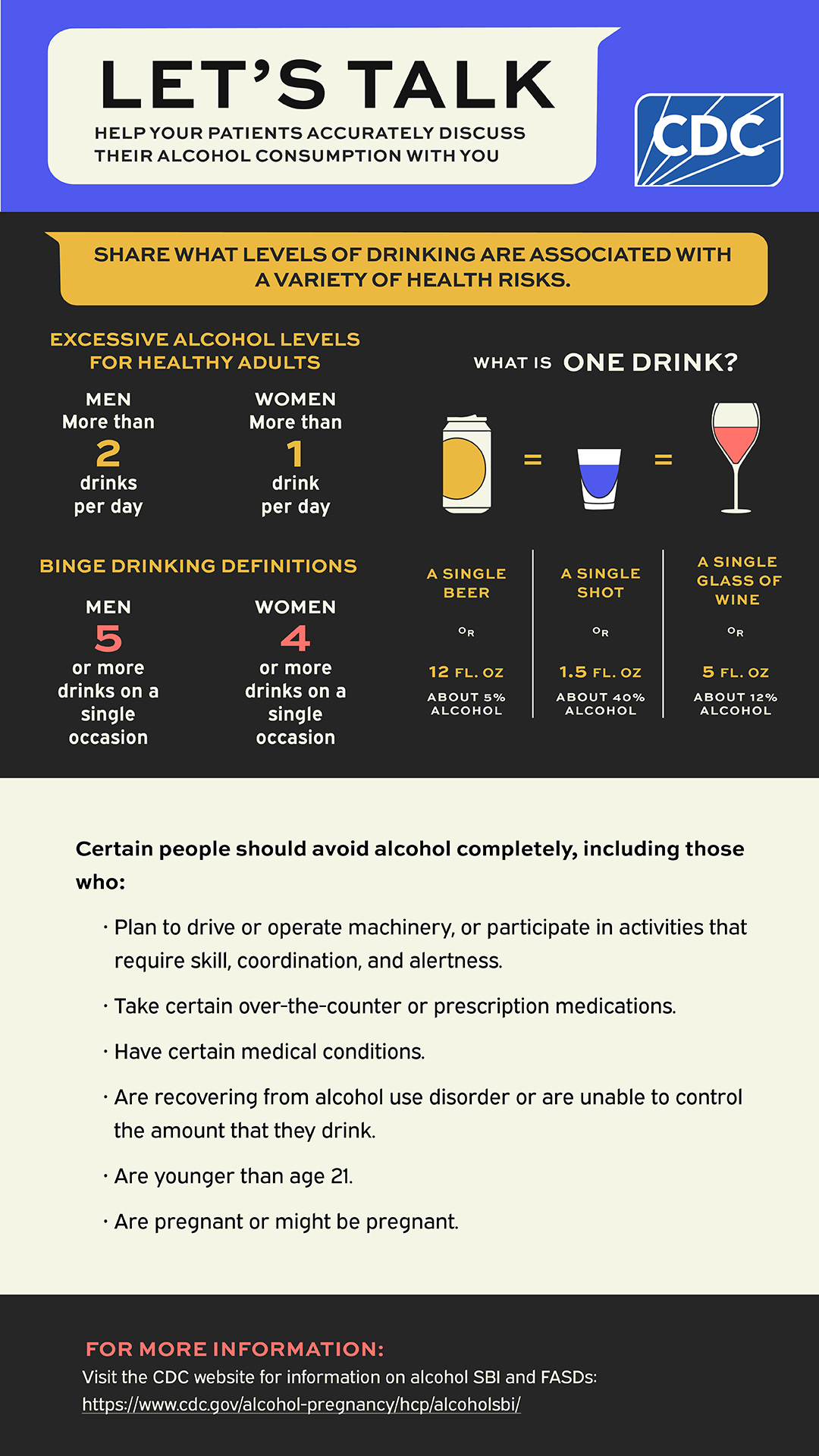
What’s A Drink Chart

Addiction Test | The Addiction Test is for people who are concerned about their use of alcohol, drugs, or other behaviors.
DIY Tools | Find apps, worksheets, and other tools to improve your mental health on your own.
Diagnostic and Statistical Manual of Mental Disorders (DSM)
Mary Beth references the DSM as the standard manual used to define and categorize mental health and substance use disorders; she encourages listeners to look up the substance use disorder criteria online.
Women for Sobriety
Mary Beth discovered this organization during her initial search for secular or alternative recovery pathways. She has spoken at many of their conferences and praises their approach.
Mentioned as: An early, non-12-step recovery alternative she found at the library in the 1990s, still active today.
SMART Recovery
Mary Beth refers to this as one of the modern secular alternatives in recovery, tracing its origins to a parent organization she encountered early in her sobriety.
Mentioned as: A secular/multiple-pathway recovery resource.
LifeRing Secular Recovery
Mary Beth is on the board of directors for this organization. She shares its philosophy and her personal connection—she used its predecessor materials early in her recovery.
Mentioned as: A secular recovery support option, focusing on personalized recovery plans and individual empowerment.
She Recovers Foundation
Mary Beth is also a board member for this group, which supports women recovering not just from substances but also other life issues (e.g., trauma, eating disorders, overwork). The organization is recommended for those with overlapping recovery needs.
Mentioned as: An inclusive peer support option, not limited to substance use recovery.
Sober October and Dry January
Both are referenced as public health and self-reflection campaigns where people abstain from alcohol (and/or substances) for a month to gain insights into their relationship with substances.
Mentioned as: Self-assessment challenges that can give one clarity about substance use.
More on Sober October
More on Dry January
Apps for Tracking Alcohol Consumption and Spending
When discussing strategies to monitor and honestly assess drinking, Mary Beth mentions there are apps for tracking alcohol consumption and spending, which can be eye-opening.
Beyond Addiction (book)
Mary Beth recommends this book to friends and families of those struggling with addiction. It’s based on CRAFT (Community Reinforcement and Family Training), offering an alternative to tough love.
Mentioned as: A recommended best-practice resource for family members, providing evidence-based support strategies.
Adverse Childhood Experiences (ACE) Score/Study
Mary Beth references the ACE score in the context of childhood trauma, addiction risk, and related outcomes. While not a single “book” or “movie,” it’s a standardized study and tool in this space.
Another great podcast episode to check out #339 – Unpacking trauma | The Peter Attia Drive Podcast
Promiscuity, Sexual Assault, and Drug Addiction (Mary Beth’s published article)
Mary Beth mentions just having had a piece published (on her website) exploring the association between high ACE scores, sexual assault, and later life behavioral outcomes.
M.A.P.S. (Multidisciplinary Association for Psychedelic Studies)
MAPS is a nonprofit founded in 1986 to build and share a blueprint for legal, responsible, evidence‑based pathways to psychedelics. Its mission is to provide public resources and leadership for psychedelic research, education, and policy reform (MAPS).
Key pillars include advancing clinical research on MDMA, LSD, ibogaine, ayahuasca, and marijuana; advocating for drug policy reform and harm reduction; and evolving public and professional education through conferences, publications, and the Virtual Trip platform (MAPS).
To date MAPS has incubated what may become the first FDA‑approved psychedelic‑assisted therapy, hosted the largest Psychedelic Science conference, and published a suite of integration resources for therapists and individuals (MAPS).
MAPS envisions a world where psychedelics and marijuana are safely and legally available for beneficial uses under rigorous scientific evaluation, always prioritizing public benefit, equity, and compassion (MAPS).
More Interviews With Outstanding Guest's



Episode Transcripts
Show notes and transcripts powered with the help of Castmagic. Episode Transcriptions Unedited, Auto-Generated.
Tyson Gaylord [00:00:04]:
Welcome to the Social Community show where it's our goal to help you learn, grow and transform on your path to becoming legendary. Today we have an extraordinary guest, Mary Beth o', Connor, whose life journey powerfully demonstrates the transformative strength of resilience and personal determination. Mary Beth has been sober since 1994, recovering from severe methamphetamine addiction, trauma, abuse and anxiety. And her recovery story is captured in her award winning memoir, From Junkie to One Woman's Triumph over Triumph and Addiction. What caught my attention about Mary Beth isn't just her remarkable transformation, but her willingness to challenge the recovery recovery establishment and advocate for multiple pathways to sobriety, making the case that recovery doesn't have to look like what everyone says it should. After rebuilding her life, Mary Beth attended Berkeley Law and ascended to the position of a federal administrative law judge. She now dedicates her time to advocating for multiple and secular recovery pathways as it as a director of she Recovers foundation and Life Ring Secular Recovery. Through powerful essays in renowned publications such as the Wall Street Journal and the Los Angeles Times, she consistently challenges and reshapes a conversation around addiction and recovery.
Tyson Gaylord [00:01:21]:
This conversation isn't about inspiration, porn or feel good recovery stories. It's about the uncomfortable truths of building a life after rock bottom, the systematic issues and how we approach addiction and what it takes to sustain long term change from the conventional wisdom. When the conventional wisdom doesn't work for you, Mary Beth's journey is more than inspiration. It's a testament to the fact that that with the right mindset and strategy, anyone can transform their life, overcome immense adversity and indeed become legendary. Now let's dive into an impactful conversation with Mary Beth o'. Connor. Mary Beth, welcome to the Social Chameleon show.
Mary Beth O'Connor [00:02:00]:
Thanks for having me. I'm looking forward to it.
Tyson Gaylord [00:02:02]:
I am too. Very intriguing podcast pitch. I was like okay, I gotta have this lady on. So you went, you have a book, I guess about your life in a way, a memoir or such. From Junkie to Judge. What is one story you'd like to highlight from that book? And folks, you guys can get the book and you guys can read all about everything else but what's one story you'd want to highlight here?
Mary Beth O'Connor [00:02:26]:
I guess the one that I think about when you ask that first is the positive experience of first drug use. I think there's sort of we don't talk enough about what the reason is that the drugs are attractive. Right. And so it's why my memoir, I include my pre drug use childhood to sort of Put in context what happened. But my first drug was alcohol when I was 12 and it was Boone's Farm, Strawberry Hill Wine, which some people know.
Tyson Gaylord [00:02:55]:
I remember those.
Mary Beth O'Connor [00:02:56]:
Yes, yes, yes. And my girlfriend brought it over on like her bicycle and we drank out of Flintstones glasses that used to have grape jelly in them. I mean, this was our age, right?
Tyson Gaylord [00:03:06]:
Oh yeah.
Mary Beth O'Connor [00:03:07]:
But I had had such, you know, so much stress and anxiety from the physical abuse, the sexual abuse, the verb, emotional abuse in my household that for me, that first drink that really caught my attention because it made me feel so much better. I mean, I felt like, sort of like my muscles relaxed, like, oh, I'm taking a deeper breath. But also like I'm sort of, I'm giggling with my girlfriend in like a more openly joyful way because the pain felt further distant from me. And that caught my attention and, and that was why I pursued it. If it wasn't working in the beginning, I probably wouldn't have kept going. I escalated quickly. But that first experience was, was a real turning point for me because it was such a positive experience.
Tyson Gaylord [00:03:59]:
It's interesting, I've heard that from other, I've heard it from alcoholics. I can't recall hearing it from drug users. I'm trying to remember back to myself. I drank quite heavily in my youth. Not in my youth, but in my, you know, 20. I didn't drink until I was, I think I was probably 19 or something like that. But I did drink a lot. But I don't remember necessarily.
Tyson Gaylord [00:04:18]:
I remember feeling that like social lubricant and you kind of feel a little bit more free. But that feeling, you're saying, I can't remember feeling that, but I have heard that a lot.
Mary Beth O'Connor [00:04:29]:
Yeah. And the other thing I'll say is, let's, you know, make sure we all agree alcohol is a drug.
Tyson Gaylord [00:04:35]:
Absolutely, yes.
Mary Beth O'Connor [00:04:36]:
So anytime that I say drugs during our discussion, I always mean including alcohol. And so it's still the number one killer. Just fight the opioid overdose epidemic and it's still the most abused drug in America. But for me it was the beginning. Right. Because I didn't. I added in weed and pills and acid and I, I found methamphetamine, which was my drug of choice at 16 and I was shooting meth at 17 and in full bore addiction in high school. So that's where I went from 12 to 17, from that first drink to shooting meth on a regular basis.
Mary Beth O'Connor [00:05:06]:
But you're right, the reality is that most people, even though they might enjoy the experience and have fun with it. Most people use in moder, or at least mostly in moderation, even if they have the occasional episodes where they over consume. It's the group of us, the minority of us, who pursue it at an excessive level despite the negative consequences, which is the definition of addiction. Right. Continued use despite notable negative consequences. It's usually because it's either you either have a trauma history and, or you have untreated mental health disorders. And so the drug is providing pain management, it's providing symptom relief. It's giving us more than just, I'm having a good time out with my friends.
Tyson Gaylord [00:05:53]:
Yeah, I was listening to a podcast, I believe, and I guess the guy was talking about it never clicked in my head. It's like the alcohol or the drug, it's the medicine, it's not the problem, it's the solution. And I was like, oh my God, it's the solution. I was like, wow, that's a complete reframe. And it's interesting. I mean, I'm sure I have something wrong with me. I, I, I never quite experienced like the total negative effects of alcohol and drugs, but I did get drunk every single night. I think I would try and take Sundays off to kind of recover a little bit.
Tyson Gaylord [00:06:29]:
Many times I went to work at 8 o' clock and I had stopped drinking at 6 and tried to take a quick nap. I'm sure people would have said I had a problem. Of course, I never thought I had a problem, even though I did think I drank too much at times. And, and I know I do. I never really got into hard drugs, weed, I don't like the way I feel, but I did have a little stint where I did a lot of cocaine and it was fun. And I don't really, I don't really feel like I had a problem until one day I was paying bills and stuff on a Friday after payday, and I was like, all right, you know, everything's paid and I got this much money for cocaine and go to the club. And I was like, whoa, did I just, am I budgeting? Do I have a cocaine budget now? And I was like, okay, this has got to stop. And I was able to just kind of just distance myself from everybody and stop.
Tyson Gaylord [00:07:09]:
So, but I do, I like, I don't like, I'm not good at moderation. I, that's why I don't drink anymore because I don't have, like, you know, if I drink, I'm like, I'm just gonna drink until I'm drunk. So I, I'VE had my ways. I've had to completely stop. And it's not just alcohol or whatever. That's the thing I do with lots of things. I, I can't have, you know, ice cream in the house because I'll eat it all. So that's how I kind of wire.
Tyson Gaylord [00:07:30]:
I'm not sure other things you can speak on. On these kind of things. I'm thinking of.
Mary Beth O'Connor [00:07:35]:
Well, actually what that makes me think of is how today we know that substance use disorders, which, you know is the modern name for addiction, the medical name, it actually is on a. It's on a spectrum. Mild, moderate and severe. Right. Just like it's a mental health condition. Just like you have mild, moderate or severe anxiety or mild, moderate, severe depression, you probably had more of a mild toward the moderate level of an issue because you were having maybe a little bit of consequence like spending money not in the best places or not being as productive as you wanted because you were hungover, but you weren't having extreme consequences. And so you would be at the lower level. And I.
Mary Beth O'Connor [00:08:10]:
And for people who are more in that range, they are more likely to on their own be able to stop. And so, you know, that group, the sort of, the. When we talk about sort of like treatment decisions, what treatment you need can really fall. A big factor is where you fall on that spectrum. And for someone at your level of the spectrum, it is an issue. There are some negative consequences, but you're not so far into the severe range that you absolutely need treatment to stop. You know, a lot of people in your situation are able to stop on their own. And it's good that they do because it's a recognition that this actually is going down a bad path.
Mary Beth O'Connor [00:08:47]:
And I already don't like what's happening. And my guess is I'm not. I'm going to like it less when things, you know, when the consequences start adding up. Right.
Tyson Gaylord [00:08:57]:
I. I don't know if I want to advocate for self diagnosis, but however like you're saying, how can you maybe try to identify yourself and maybe you. Where you're on a spectrum. And I can also probably see you're gonna obviously probably say, oh well, I'm not severe, I'm this. You're probably gonna bump it down a notch. But are there telltale signs or something like that where you can try and be honest with yourself and say, you know what, I'm in one of these levels and I need to fix my shit?
Mary Beth O'Connor [00:09:22]:
Yeah. So there is the Diagnostic and Statistical Manual is the book where all Mental health disorders are, and they're described and their symptoms are there and they're categorized. And. And so for substance use disorder, there's a test there, list of questions. And I think if you have two, you're on the mild level. And then the more of those questions that you answer yes to, the more you go up in the severity range. So you can get that test online for free if you just Google it. That's one way.
Mary Beth O'Connor [00:09:51]:
Another way is to just really to honestly think about how is the drug impacting my life? And I'll say that's. Even if you don't have a substance use disorder or let's say an alcohol addiction, it doesn't mean it's not having impacts in your life that you might think, you know, actually, I'm not liking the way this is sort of controlling my life or impacting my life. Maybe I should stop, even though I don't qualify as having. Right. But. So, for example, is it. It doesn't have to be. I lost my job, I lost my home, I lost my marriage.
Mary Beth O'Connor [00:10:23]:
It can be. I'm getting into arguments with my friends that, that because I'm under the influence, I'm perhaps getting in conflict with my partner. I'm. I'm waking up feeling, as you said, I'm hungover. I'm not productive. I'm losing my Sundays because I was out partying on Saturday. And maybe that's actually not what I want. I'm spending more money than I think that I should, and it's interfering with other financial goals so the consequences don't have to be gigantic.
Mary Beth O'Connor [00:10:53]:
But it is useful even if you don't have an addiction to every once in a while, sit down and see if you're using the substances and the way that you actually want to use them. If you look at it and make sort of an honest evaluation.
Tyson Gaylord [00:11:08]:
Now, I've heard people say, oh, you know, yeah, I go to work, I'm fine. It's not that big of a deal. I remember talking with some guys from, from Vietnam. They're like, hey, we do heroin and we'd go to work and. And, you know, how do you maybe reconcile that? Or how do you be honest and truthful with yourself and say, listen, buddy, you think you're functional, but you've got something going on. You need to either go to treatment or stop or whatever it is?
Mary Beth O'Connor [00:11:32]:
Well, I will say there are people who use heroin recreationally, right? I mean, some people do use heroin you a month, and they maybe they go to work on Monday. So I mean, a couple things can clue you in is if you're getting input from others that you might have a problem, that's usually a red flag that it's time to do an assessment. But also if you're just sort of feeling like your life isn't in a happy place, one of the things that you can do when you're looking at why that might be or changes that you might want to make, substances is one place to look. It doesn't mean it might be the only cause, but it could be part of it. You know, maybe you're sort of unhappy with your job or you're unhappy in your marriage and you're using the substances to sort of mask those feelings or make it easier to tolerate when really if you took the substances away, you'd be sort of more likely to look at the situation directly and say, actually, you know what, I need to do the work to resolve this situation in order to be long term happy. In other words, the substances can give you short term relief, they can give you short term relief, but they're not going to resolve any underlying issue. And so is the substance sort of allowing me to stay sort of out of inertia or out of fear or whatever it might be to stay with a behavior that's actually not even in my own best interest. And the substance isn't the problem, but it's helping me live my, live a life that's not actually the happiest and best life that I want to live.
Tyson Gaylord [00:12:59]:
Right? Mary? Mary Beth. The reason I drink is because of my job, it's because of my spouse, it's because of my kids. That, that seems to be a thing. And, and like you're saying that's the hard part is the way I'm thinking about this is, is my life sucks. That's why I drink. And I drink because my life sucks. And then the easy thing would be to just continue that on. The hard thing is saying, why does my life suck? How can I change it? How do I fix my shit? That's the hard part.
Mary Beth O'Connor [00:13:22]:
Yes. And is the substance sort of interfering with my ability to do that? And I will say that's why people, some people do things like dry January. So dry January or sober October is another one where people take off 30 days from all substances, or at least alcohol. And the reason is because that break can give you clarity, it can help you notice when am I feeling the compulsion to drink. You know, what's happening, what's, that's creating that urge. What's going on that's information, you know, about what you may be using the drug to sort of compensate for. But also it can help you see what is my life like when I'm sober for 30 days. Do I actually wake up feeling more refreshed? You know, do I look better because I'm not hungover? Am I getting along with my partner better? Am I enjoying my work better? I mean, it can be that even a 30 day break can be a real sort of information gathering time that can help you decide how much do I want to consume going forward, under what circumstances, for what kinds of events.
Mary Beth O'Connor [00:14:20]:
Those are all things that can, that can be easier to do. A sort of a, an intelligent assessment of if you take a bit of a break.
Tyson Gaylord [00:14:29]:
And I can imagine there could be some dangers there as well, trying to take a break from certain substances and stuff like that.
Mary Beth O'Connor [00:14:36]:
That's a good point. I mean, if you're on the more severe end of the spectrum, especially for alcohol or sedatives, you actually, it can be risky to go through a sudden withdrawal. So if you're at that mild level, you should be fine. Although you may want to talk to your doctor if you start feeling like maybe it's a little more than that. But you can die from withdrawal from alcohol and benzodiazem, which are sedative. Opioid withdrawal can be really painful. And so for those three things, sometimes you need what's called medically supervised withdrawal where you work with a medical provider and they'll give you medications for cravings to reduce your sort of seizure risk. Those, those kind of things give you, keep you hydrated.
Mary Beth O'Connor [00:15:16]:
So you're right, if you're at the more severe end of the spectrum, you should really need to talk to a professional, a medical professional before abruptly stopping.
Tyson Gaylord [00:15:26]:
Not a scenario I thought of. Here is Ray, Beth, listen. Yeah, I'm doing, I'm doing dry January, but it's been two weeks. I know I can stop anytime I want. I'm going out to the party this weekend. What do you say?
Mary Beth O'Connor [00:15:36]:
Something like that the fact that you can't do 30 days is a red flag and that should capture your attention because yeah, it's meaningful. It's meaningful that you really feel the need to go out and use in that period of time. So that's all the more reason to do the assessment. But the other thing I'll say is there's a lot of people who are now just choosing what's called sort of mindful drinking and that. And when I say drinking or other substance Use like they're, they're just saying, like especially the 30s and unders, they may be saying, you know what, I'm just for health reasons, for wellness reasons, physical wellness, emotional wellness, I'm only going to consume substances, let's say once a week or only at special events or you know, only when I do X, Y or Z. And that can be a really healthy way to look at it. It's not that it has to be all or nothing. There is ways to tackle it in between that can be, you know, have positive or neutral impact on your life.
Mary Beth O'Connor [00:16:33]:
But it's about that mindfulness, it's about thinking it through.
Tyson Gaylord [00:16:37]:
It's interesting way you're saying that. My first thought is you're, you're, you're full of shit. Like you're just using that as an excuse to continue consuming things you should be consuming. But then my second thought is, well, I can see there is a social component. You know, maybe you just literally have one drink or one whatever. Maybe you have an edible or something that, and it's just something that gives you the ability to stay out with your friends. Maybe when you wouldn't have. How do we balance the two of those maybe dichotomy there or the different things that's happening?
Mary Beth O'Connor [00:17:05]:
Well, I'll say it can also be a short term stress reliever. If you are using a drink or you know, cannabis gummy, you know, once a month to relieve your stress for the evening, that's probably not an issue, right? As long as that's not going to interfere with your ability to resolve the problem long term. You just had a really bad day and you want to relax for the night or have a good dinner with your, your partner and have a glass of wine in, in small frequency that's not going to harm you. There can be some benefits from that. So I, I don't, I don't have anything against substance use in general. Why? I just want people to understand the risks and I want us to be able to help them when the problem arises. And so for me it's always about accurate. I really like accurate risk information, not exaggerated risk information, but also not minimized risk information.
Mary Beth O'Connor [00:17:57]:
But, but also I really would like to see us have a robust treatment plan as I, you know, sort of affordable, readily accessible for substances, but also for mental health in general. And right now we just don't really have that. And so there's a lot of things we could do better to give people the help they need. But having these kind of discussions can be part of that so people know where they are and know that they need to. To take the next step.
Tyson Gaylord [00:18:22]:
Yeah. You know something, I don't know if it applies to this topic per se, but I know it's like food and things like that and maybe workouts and stuff. What seems to help is, is actually tracking what you're actually doing and, and being very honest and saying, at 10 o' clock last night, I did have a bag of chips and whatnot. Do you think something that would work for saying somebody, Oh, I only. Do I only drink like once a week or I just. But in reality, you're probably doing it a lot more. It's. Well, it's Cinco de Mayo and then it's, it's, it's.
Tyson Gaylord [00:18:50]:
It's girls day and then it's this. And next thing you know, like there's 12 holidays in a month and you're drinking or doing whatever on all of them. Do you think maybe having some kind of log saying, hey, you know what? Okay, I, I've had three drinks last night actually. Wow. I didn't think about it, but I had a drink on Tuesday. Oh, wow, I forgot. I went out with my friends on Friday. I had some edibles.
Tyson Gaylord [00:19:08]:
I didn't think I had all that much. Is that something maybe that you could. That works in this situation?
Mary Beth O'Connor [00:19:12]:
I think information is always helpful. I would say there's. There, there are. For example, with alcohol, there were trackers that you could like apps that you can do about how much money you saved if you, if you don't drink or how much you're spending if you do. And sometimes that spending alcohol app can really be an eye opener for people.
Tyson Gaylord [00:19:28]:
Yeah.
Mary Beth O'Connor [00:19:29]:
The other thing is, I will emphasize that people don't always measure their alcohol correctly. Okay. There are specific ounces for what counts for a drink. Right. First of all, moderate use for men is two drinks a day at most. And for women, it's one drink a day. But it's not like the big wine glass. From all the way to the top 5 ounces for wine, I'd have to double check that.
Mary Beth O'Connor [00:19:50]:
But so part of it is going to be an honesty thing. Make sure you understand what actually, what a drink actually is. If you have beer that has a higher alcohol content than the typical beer, it's not going to, you know, count this. You have to, you have to adjust the ounces based on the amount of alcohol. But you're right, information can be really helpful. It can be a first step to see where things really are or if people are saying you're drinking too much and you don't think you are starting to track it can really make it clear who's right. You know, you can either prove them right or prove them wrong. Right.
Mary Beth O'Connor [00:20:22]:
But honesty is always an important feature in all of this. And it's when people are ready to do that for them. And often ready can mean there are some negative consequences like that can capture our attention. And the other thing I will say is that sometimes I get asked about switching addictions. Like when people get sober, do they just start gambling or start overeating or whatever? And the solution to that is to address what's underneath the alcohol use or the other behavioral disorders, you know, whatever gaming or gambling or whatever it might be. Because if you don't address what was the sort of the creating the impulse, creating the need, what need the drug was serving, you're much more likely to transfer to some other negative behavior that's going to have consequences than if you do. And that's why a lot of us like me, I mean, the subtitle to my book is One Woman's Triumph Over Trauma and Addiction. Right.
Mary Beth O'Connor [00:21:21]:
Because I had a. Not only did I have trauma in the house, I had sexual assaults, multiple outside the home, a violent boyfriend. When I got sober, I knew that that trauma was underneath my drug use. But I also knew that if I didn't get it under control, I was never going to be happy, I was never going to be productive, even if I could by some miracle stay sober. And so for many of us, we need both treatments. We need substance treatment. And at the same time, from the beginning, we need treatment for our PTSD or our depression or anxiety or bipolar or whatever else it might be. And so the treatment needs, sometimes people like families will say to me, you know, my family member tried rehab eight times.
Mary Beth O'Connor [00:22:05]:
She's tried everything. And I said, well, she ever evaluated for any other mental health condition?
Tyson Gaylord [00:22:09]:
Right.
Mary Beth O'Connor [00:22:10]:
Because a lot of times the reason failing is because people aren't getting everything that they need from a treatment standpoint.
Tyson Gaylord [00:22:17]:
Yeah. And for folks listening and whatnot, I will link to all these resources we talk about so you guys can easily jump in the show notes and, and get these charts, different tests and whatever things we do talk about so you guys can easily get those resources. It's funny you say that. My wife is a. A psychiatric nurse and that's the same thing I see with her and she talks about all the time. I say you guys aren't teaching them anything. You're giving them meds and you're Sending them on. You're not teaching them many skills, you're not solving their problems, you're not giving them solutions.
Tyson Gaylord [00:22:43]:
There's nothing happening. But here's your meds. Go on.
Mary Beth O'Connor [00:22:47]:
Well, I mean, medication can be a really important tool, especially for opioid use disorder and alcohol use disorder. It can medication, let's say for opioids, which typically is buprenorphine or methadone. Right. The medication will, for example, reduce the over fatal overdose risk by more than half. So right there it's a vast benefit, but it also will make it more likely the person will stay focused on recovery. Some people use those meds for sort of a limited period of time, maybe the first six months or the first year. Some people actually need them longer term than that. But you don't know in the beginning.
Mary Beth O'Connor [00:23:26]:
But medication, alcohol use disorder, there's medications for those increases the odds of success. There's no meds yet for stimulants, but there are meds that are in trial and there are meds that are being used off label, but there's nothing as targeted and no FDA approved med the way they are for opiates or alcohol. But I would never want to minimize the benefit of medications for substance use disorders because they're a great benefit. But in the long run, it's the optimal scenario is that you're also giving them mental health treatment and helping them deal with whatever other conditions they have and also giving them housing and also helping them get a job and also helping them build, you know, a social support network. So medication alone is better than no medication.
Tyson Gaylord [00:24:15]:
Right.
Mary Beth O'Connor [00:24:15]:
But it's even better if we can offer them the other supports that they might need in order to really sort of fully recover. And I don't want to say, I mean, methadone is a type of recovery. I support it. Absolutely. So are the others. But you know, it's also even better if you can have the opportunity to work with treatment professionals and resolve everything else that's going on.
Tyson Gaylord [00:24:37]:
Yeah, I didn't mean to say I was minimizing the medication. It's the second half of that equation because I time and time again, so. Well, you know, these patients are back again. This is their eighth time here. And it's like, I feel like you're not, you don't have that second half of this equation. You guys aren't doing that. It's, you know, it's like, well, we'll give them the treatment plan. It's like.
Tyson Gaylord [00:24:54]:
Right. But there's no, there's nothing, there's no follow up or there's no secondary things. That's the thing that kind of frustrates me a bit. And she says, she says a lot of times they're kind of handcuffed in what they're even allowed to do. And I'm like, oh, geez, what's going on here?
Mary Beth O'Connor [00:25:07]:
Well, the other thing is that a lot of people don't get an appropriate length of treatment. Right. And so the system, I mean, it frustrates me when drug policy is discussed as if everybody has access to the full panoply of treatments for the length of time that's necessary and they get an individualized assessment as to what they might need and there's an aftercare program or they get to go into a sober house or they get skills. These things mostly don't happen. Right. It's sort of a crisis management situation for a chronic health condition. You wouldn't expect somebody's diabetes to be resolved because you treated them for 30 days and then sent them out the door. Right.
Tyson Gaylord [00:25:49]:
And so pamphlet.
Mary Beth O'Connor [00:25:50]:
Yeah, that's right. Here's a pamphlet. Here's what you're supposed to do. And we really do that with addiction. We don't give people the length of treatment that they need and we don't give them the support afterwards. And we usually don't give them even an individualized assessment. It's usually, here's where you're going to be put. Here's a 28 day program.
Mary Beth O'Connor [00:26:09]:
You're going to do what everybody else does. You're going to do it this way because we told you to. And if you fail, it's on you. It's not on us because we didn't provide you what you actually need. That is very upsetting and it's very frustrating to see policy decisions made as if we had in fact offered them the help that they really need.
Tyson Gaylord [00:26:30]:
And to me, in my mind it goes back to kind of sort of what we're talking about here. It's like we're not addressing the problem, we're just, we're focusing on one thing. Oh, so if we just nobody had access to drugs, magically they disappear and nobody would do drugs. But really it's, it's all the other ancillary things that like, like I had said earlier, the, the drug use or whatever, that's the, you know, that's the solution to your problem. Right. So we're worried about, we're trying to get rid of solutions, but we're not really focusing on what the problem is, which is why they're doing these things.
Mary Beth O'Connor [00:26:56]:
Yes, yes. And the reality, I mean, there are people who sort of develop an issue just from consumption. But the other thing I'll say to that is on the pain management side, we sometimes conflate dependence with addiction. And they are two different things. And so the problem that has arisen because of the overdose epidemic, the opioid epidemic, the opioid, you know, a wash, you know, the pharmaceutical companies making America wash their prescriptions is that people have legitimate pain management needs, sometimes chronic pain management needs. They got cut off from meds because of the backlash to the excessive prescription. When in fact, the fact that you are physically dependent on a pain med doesn't mean it's an addiction because addiction is defined as continued use despite negative consequences. If you have a condition such that the pain meds are actually having a positive overall impact on your life, that's not an addiction.
Mary Beth O'Connor [00:27:57]:
Right. And even doctors don't always distinguish that properly. And so I always want to make sure that people are given, given the proper treatment and that we're not just throwing the baby out with the bathwater. And a lot of times, unfortunately, that's what we do.
Tyson Gaylord [00:28:12]:
Yeah. I can see the house, what you're saying there, where I have an injury, a back injury or my ankle or whatever. And it's like, this is enabling me to go to work, this is enabling me to take care of my house and my kids. But I'm not addicted to this. But for the meantime, for the, you know, this interim, I need this medication.
Mary Beth O'Connor [00:28:29]:
Yeah. And I may be physically dependent. And don't get me wrong, we should be careful and make sure that the people who get long term pain meds are the small group who actually needs long term pain meds. And definitely way more people were given long term prescriptions than needed them before. But there is a group who, though they have a physical condition that can't be repaired, at least currently can't be repaired and the pain won't go away. And we need to recognize that distinction between dependence and addiction because they aren't the same for opiates. If you have an addiction, you're almost certainly going to be physically dependent, but you can be physically dependent and not have an addiction.
Tyson Gaylord [00:29:05]:
That's an interesting kind of concept there. It seems a bit like an oxymoron there, but I can, I can see what you're saying with that.
Mary Beth O'Connor [00:29:11]:
Yeah, I mean, it's going to be as. Again, it's going to be the small group. Right. It's not sure, but, but there are people like that. And they got sort of, they got cut off. And that's part of why people ended up going out to the street for opioids, because they weren't given prescriptions anymore. And so, you know, we don't always think these things through as far as what the, what the ramifications going to be of these switches.
Tyson Gaylord [00:29:31]:
Right, right. And then I could see how you go up the street, like, listen, I need some oxy, I got a, whatever, you know, I was an accident, my back is messed up, you know, I'm waiting on surgery or whatever it is. Right. And you go to streets and like these are cut with other things. The next thing you know, maybe you do become addicted now because of the street versions of these things.
Mary Beth O'Connor [00:29:46]:
Yeah. And you're addicted to fentanyl or something that, you know, is not. I mean, the problem with street drugs, one of the problems is that you don't know what you're getting. You know, you don't know what it's cut with. You don't know the, the dosage, you know, like what percentage of my drug is in there. And nowadays even a pill that looks exactly like an oxy probably is fentanyl and not oxy at all. Right. And so you don't know what you're getting.
Mary Beth O'Connor [00:30:07]:
So, yeah, it created a whole swirl of new issues because we weren't doing policy based on sort of accurate medical understanding about what had gone wrong, but also to protect the people for whom it was still necessary to have those prescriptions.
Tyson Gaylord [00:30:24]:
Yeah, I'd like to kind of go back a little bit. You were saying about using multiple sources to move things. I know you wrote about and whatnot, incorporating, you know, different ideas from multiple sources to build a, you know, a secular recovery plan. Not necessarily a 12 step or faith based. Could you kind of discuss some of that, how you kind of discovered that or came up with that and how does that all kind of work?
Mary Beth O'Connor [00:30:44]:
Yeah, I mean, I'll first say that. So 12 steps is, you know, Alcoholics Anonymous and narcotics, and I'm all the anonymouses. Right. And it has that higher power idea. But there were other ideas that weren't good fits for me. Like I'm not a turnover your will in your life, girl. I didn't agree with a powerless idea. I didn't like to focus on defects.
Mary Beth O'Connor [00:31:00]:
But, but saying that, you know, 12. I support 12 step recovery. A lot of people work with it. But it's also not like there's a hard line where all the faith based people go to 12 steps and all the secular people go elsewhere because there are atheists and agnostics that make 12 steps work. And there are a lot of faith based, faith based and spiritual people that choose programs other than 12 steps for reasons other than higher power. In other words, they like the self empowerment idea or the individualized approach. So for me, when I got sober and it was in 94, because I actually have 31 years of continuous congratulations. Thank you.
Mary Beth O'Connor [00:31:37]:
My rehab swore to me that there was only 12 steps. And that wasn't a good fit for just the reasons I gave you were some of them. But I thought at first, well, they're the experts, that must be true, right? So I read all the 12 step materials and tried to pull out some ideas, but it was never a good fit. And then I got home from rehab and I started thinking, is that the only option? And I will emphasize for the younger people, there's no Google in 94, right?
Tyson Gaylord [00:32:06]:
Yes. Go to the library.
Mary Beth O'Connor [00:32:08]:
I went to the library. Right. I went to the library and I did some research and I found alternatives even then. So today I found Women for sobriety, which still exists today. I actually speak at most of their conferences. I found what today, the parent to what today is smart recovery. And I found the parent to what today is lifering secular recovery. And I'm on the board for Life Ring.
Mary Beth O'Connor [00:32:28]:
And they, first of all, it was a great relief to know that other people had succeeded doing it different ways. That was like a weight off my shoulder because my rehab told me I was going to fail if I tried to do that. But also it gave me permission to do, to continue doing what I have been doing, which was to view myself as the decision maker in my recovery plan. I really did understand that I needed to listen because whether they were 12 step people or otherwise, they had some, they had some success, they had knowledge I didn't have, they had strategies I might not think of on my own. They had techniques, but, but they, everything they did wasn't going to work for me. So I needed to listen. But I need, I always viewed myself as like a filter, like, you know, is this going to be a technique or a strategy I think will work for me and then I should try to use it, or is it one that I think, no, actually that's not right for me, I'll let that one go. And so Lifering, for example, calls out a personalized recovery plan that your plan of.
Mary Beth O'Connor [00:33:29]:
My plan will be different because we're different people in different places with different philosophies, different, you know, learning styles different situations. And so our job in the group is to help each other, maybe to offer strategies and techniques that work for us, but always in the attitude of. For your consideration. Right, for your consideration. Here's what worked for me. For your consideration. Here's an idea I want to share with you. And that's how I tackled it, and that's how I view it today.
Mary Beth O'Connor [00:34:01]:
I think where we run into trouble is when we go from this worked for me to this will work for everybody, or even worse. This is the only thing that works which is never true. Let me just say it's true. So don't lie. So don't lie. And today the science shows that individual. Individual assessments and individual plans will have the best chance of success. So I did it early, but it's much more in the mainstream today than when I got sober.
Tyson Gaylord [00:34:29]:
It reminds me of something else similar I was hearing with that kind of same sentiment where. Where people are. They're talking about relationships. If I can see how this kind of fits in here, where people are saying, like, well, you can't meet girls because, you know, you got to do this and this, and this is the way it works. It's the only way. And people are like, well, I've gone and done that. It doesn't work for me. So I almost have a problem.
Tyson Gaylord [00:34:48]:
I can see how that being the same kind of situation where you think there's only one solution in one way, and if you can't do it this way, you're just broken, you're a loser, you're just destined to be whatever.
Mary Beth O'Connor [00:34:57]:
Yeah, but a person thinking that is one thing. A treatment professional telling you that is like, right, you are taking my money and you claim to be an expert. You need. You have. You need to know that there are alternatives. You need to know that there's no one thing that works for everyone. And if you don't have that understanding and that education, then you really shouldn't be treating people. So.
Mary Beth O'Connor [00:35:20]:
Yeah, but even as individuals, it is to me a sort of arrogance to think that, you know, my way is the only way. Right. Like, in what area of life. Life. Is that generally true, that there's one way only? And it happens to be the way that worked for me, of course. What are you selling me exactly? There is almost no area of life where there's one solution for everyone. Certainly in. In mental health treatment, there's no mental health disorder where one treatment works for everybody.
Mary Beth O'Connor [00:35:48]:
That doesn't exist. Why would it be different for substance use disorders, for addictions than it would be for everything else. It's not. And part of that can be that a lot of us do have to do that tackling our dually diagnosed or co occurring disorder. Right. Not everybody also has another mental health disorder. A lot of us do. That requires a different plan.
Mary Beth O'Connor [00:36:10]:
But it's also that what works for you can change over time. So your plan, let's say it's six months and your plan two years later, it may be different because where you are is different. What techniques that used to help aren't as useful anymore or you actually are. You know, they were never a good fit, but you sort of did them. But now you want some new ideas. So recovery evolves. And so even for an individual, it's not, it's not locked in that this is their plan until the day they die. Right.
Mary Beth O'Connor [00:36:39]:
Plans evolve over time because we change and what we're working on changes.
Tyson Gaylord [00:36:44]:
Right. I'd like to throw something out at you here. When I think about this space and I could be completely wrong, this is my thoughts and I thought you'd be a great person to kind of think about this. This one thing about these programs that I just, I just don't like is this thought of I'm always an addict, I'm always this. To me, that is such a narrow mindset. And you set yourself up as a victim versus I never say, oh, I'm, I'm always an accident victim. I'm always, I always have a broken leg. I'm just not having a broken leg today or, or all these different things in our life.
Tyson Gaylord [00:37:13]:
I feel like you're setting yourself up for failure by saying I'm always going to be an act. I'm always going to be this person. I would think it'd be more empowering. And like I said, I could be completely wrong saying I, I used to be this. I'm not anymore. I don't, I don't do drugs anymore. I don't drink anymore. I don't tell myself I'm a former alcoholic or I'm a former cocaine user.
Tyson Gaylord [00:37:30]:
No, I don't, I'm still struggling that I don't anymore. There was probably some time in the first year or so where maybe I would have probably done some more, but I would never say I'm, I'm, I'm a recovering cocaine user. Like that doesn't make sense to me. Am I on the right track? Am I off track here?
Mary Beth O'Connor [00:37:45]:
I would say it's individualized. And so for some people, having that identity helps them sober or so part of what they're doing. But for others it is a negative. And for me, what happened was the first six months when I was taught to identify myself, let's say in a meeting, I'm Mary Beth and I'm an addict. Right. Like that I was taught that's how you do it because that's, that's your title for first six months. I kind of thought it was helpful, like I needed to beat it in my brain, you know. But then I started feeling uncomfortable.
Mary Beth O'Connor [00:38:16]:
I felt like I was saying it as if it's the essence of who I am.
Tyson Gaylord [00:38:20]:
Right. You can identify as that. Right, right.
Mary Beth O'Connor [00:38:23]:
That, that is like the core of me and will always be the core me. And I wasn't comfortable with it anymore. And then I found women for sobriety. And in wfs, the identifier is I'm Mary Beth and I'm a competent woman.
Tyson Gaylord [00:38:36]:
Oh, I love that.
Mary Beth O'Connor [00:38:37]:
That was so much more empowering for me and that felt so, you know, so much stronger. The other thing is when I think about, you know, am I an addict forever? I'll say so there is a group of people who at one point had an addiction who later can moderate or there are some people who can't moderate alcohol, but cannabis or vice versa. But there's also a large group of us who can never moderate anything ever. And I think that's me. I feel like I fall into that category because my addiction was very lengthy. I think it's over till 32. And I was an addict by 16 and I was, you know, it was meth and it was very severe For a long time. I don't believe I can safely consume mood altering substances except the occasional very short term medication for some, you know, very specific reason.
Mary Beth O'Connor [00:39:27]:
So do I consider myself an addict forever? I can. I, in the sense that I don't think I can safely use. I am, but in the sense that I'm not using and there are no negative consequences in my life and I honestly can't imagine a scenario under which I would pick up again. I mean, never say never, right? If it were to happen, I think almost certainly it would happen because I had to use pain I meds for some period of time for some reason. That's the only in I could see. But most people, even with a long term addiction, they can, you know, they can moderate after that if it's, if they're focused on containing it. And the other thing I'll say is that this relates also to me to the idea that in some programs there's this idea that you have to hyper focus on your recovery from substances every day for the rest of your life. Life.
Mary Beth O'Connor [00:40:17]:
That's not true for most of us. And I agree. Yeah, I think that's a positive. To know that there's a light at the end of the tunnel. This hard work. Right. I don't know why that's considered to be helpful to tell somebody that that constant obsession.
Tyson Gaylord [00:40:30]:
Imagine if you were a victim in another way and you just, okay, obsess about that trauma all day long, continuously, continuously obsessed about that. That I can't imagine that's helpful.
Mary Beth O'Connor [00:40:38]:
Well, that's true, but it's also this message that you're never going to really be in control when the truth is you really will get into control. The reality is that addiction gets easier. I mean, recovery gets easier over time. And there's a, you know, a number of reasons for that. One is that it's pure rewiring. Like, we talk a lot about how addiction rewires the brain, but recovery rewires the brain. A positive habit formation. You're making the same positive choices over and over.
Mary Beth O'Connor [00:41:05]:
You now have practice saying no to drugs and alcohol out when you're out in the world. You've now learned how to deal with your emotions and your trauma and your mental health in a healthier way. Right. So over time it gets easier. And that's why if you hit five years of continuous sobriety, you only have a 15% chance of ever relapsing at that point.
Tyson Gaylord [00:41:27]:
Wow.
Mary Beth O'Connor [00:41:27]:
And so to me, there is a light at the end of the tunnel. The hard work is usually the first 18 to 36 months, depending on where you are now. There are some people who struggle more, more on, on a longer term basis, but it's not, it's by far the minority. And so that idea of am I an addict? Forever ties to me with, am I fighting this every day for the rest of my life? For most of us, the answer to that is no. As long as we do the hard work in the beginning to build a strong foundation and address what's underneath the drug use.
Tyson Gaylord [00:41:58]:
So you kind of, you alluded to this a few times where, how long you've done, Matthew? About 15 years or so. What happened at 32 to just be like, listen, my career is over with this, I'm done. Like, what happened then?
Mary Beth O'Connor [00:42:10]:
See, I think that's sort of like the paradigm, right? There's like some, some epiphany and now I'm over. And I don't think that's what happens for most of Us. And that's not what happened for me. But what happened for me was at 32, I couldn't hold a job. I had a Berkeley degree and good grades and had wasted my education and worked my way, as I say, down the corporate ladder. But also, I was having physical problems. I was emotionally devastated. I was feeling trapped.
Mary Beth O'Connor [00:42:38]:
I was feeling hopeless. My partner was ready to throw me out. So sort of everything in combination, it made me finally say, well, maybe I should go to rehab. But I did not go to rehab thinking I actually didn't think I could get sober. I didn't really think it was an option. I was trying to figure out how to use less, how to do better, and. And it was exposure to other people who had similar histories but who were succeeding at sobriety that made me start to realize that maybe I could do it too. And the other thing is, I wasn't perfectly abstinent from day one.
Mary Beth O'Connor [00:43:09]:
Most people aren't. I used three times in my first five months, but I don't view that as fail, fail, fail, succeed. Right. I mean, for gosh sake, I was using meth every day for, you know, the last 10 years and a chunk of the five years before that, and now I use three times in five months. Why? That's a success.
Tyson Gaylord [00:43:28]:
That's a deal.
Mary Beth O'Connor [00:43:28]:
Yeah, that's the best improvement. And so I like to throw those ideas. Most of us are either ambivalent in the beginning or we look like confidence that we can do it, and that's normal. And increasing confidence, increasing commitment to the sobriety goal usually is something that happens over time.
Tyson Gaylord [00:43:47]:
Was that your first time ever going to rehab?
Mary Beth O'Connor [00:43:49]:
It was my first time in rehab. It certainly wasn't the first time I tried to control my drug use. I mean, like many of us, I had gone through a lot of different efforts of only on the weekend or only from these days of that or did I take a week break. I mean, I had tried all kinds of, you know, different moderation strategies, none of which I ever succeeded at for more than a short period of time. But it was my one and only time going to rehab. Yes. Although I did go in a longer term program. It was 90 days minimum.
Mary Beth O'Connor [00:44:15]:
So it wasn't a 30 day program.
Tyson Gaylord [00:44:17]:
Yeah, it's funny the stories we tell ourselves when we're trying to, you know, I. I like nicotine. So, you know, I'm like, I'm only gonna smoke a cigar on the weekend. Well, it's like, well, I'm only gonna have one after work. I was like, well, I'll have a little in the morning. And it's like the story I tell myself. I always say, if I were to tell this to somebody, they'd be like, that is the dumbest thing I've ever.
Mary Beth O'Connor [00:44:35]:
Heard in my life.
Tyson Gaylord [00:44:36]:
But we convince ourselves of these things, and we think it's a genius plan and it's not.
Mary Beth O'Connor [00:44:41]:
Well. And if it works, great. It's like when newcomers tell me they. They still think they can moderate. I say two things, and one is, have that. And the other is, if you're gonna try, you need to be honest with yourself. You need to say. Say a specific plan, and then be honest if you're able to do it.
Mary Beth O'Connor [00:44:59]:
Because if you're not able to do it, that's important information. Right. And so. But yeah. Yeah. I mean, most of us try to moderate long before we get to rehab.
Tyson Gaylord [00:45:08]:
Yeah. I. I've been thinking about this moderation thing. I think I want to do an episode later on about it, but I feel like there's two types of people, and I think we've alluded to this a bit here. People that can moderate and people that can't. And. And I think this is something I've had to do, which is what I've done myself. I'm not prescribing anything to anybody, but I've had to state to myself, like, which one.
Tyson Gaylord [00:45:26]:
Which camp do I fall into? And. And it's hard. It's. You got to be honest with yourself and say, you know, I could do it. No, like, to me, I. I'm just all out. I want to do all of it. I want to get all of the ice cream, whatever it is.
Tyson Gaylord [00:45:37]:
That's my thing. I want all of it or nothing. And that's. And I've had to take an honest look at myself and say, that's what it is. I can either have. Have a box full of cigars in my office, or I can have none, because if I have any, I can't control myself. And so that's how I've figured out that works. If I.
Tyson Gaylord [00:45:52]:
If I go to a party, whatever. If I have. I guess I can't. I can't have a drink. I will drink until I need an Uber home, you know, so that's something I've had to be honest with myself and figure out. And I talk to the people. I'm trying to talk to people and see what the things. And I know people that I go, I've got a thing, I think candy in here.
Tyson Gaylord [00:46:06]:
I love candy. It's been in there for six months I have one piece and I walk away and I'm like, I would destroy that.
Mary Beth O'Connor [00:46:12]:
It's true. I mean, there are some things I don't allow in the house. You know, there's these chocolate covered dried mango things. Oh, I cannot have them in the house because I love them, you know, and there's. And I'll be wanting them one, but I have regular chocolates and I'm able to do like one a day. And so it just depends on where we are. But with everything, it's important to admit to ourselves what's going on. Right.
Mary Beth O'Connor [00:46:33]:
And. And if you're not honest with yourself, you can't make forward progress. If you can't see the problem, you can't work on the problem. Right, absolutely. And acknowledging it is really the first step in being able to get it under better control. But there are some people who, especially at the more mild level of the substance use disorder, there are some people who would have qualified under the test at one point, and then later they can moderate, but it's not the majority of us. And it definitely. The more severe your addiction, the less likely that's ever going to be you, you know, and so I know that's not me.
Mary Beth O'Connor [00:47:09]:
Sometimes people say, like, we have 31 beers. You know, can't you have a beer? You know?
Tyson Gaylord [00:47:12]:
Yeah.
Mary Beth O'Connor [00:47:13]:
Look, the world would explode if I had a beer. But this is what I really believe would happen. I think the negotiation would start.
Tyson Gaylord [00:47:20]:
Right.
Mary Beth O'Connor [00:47:21]:
How often could I have a beer? And it's not a problem. Right. If I can have a beer once in a while. I could smoke weed once in a while. What if I just met on my birthday, like, right, right where it's gonna go. And one of the joys of long term sobriety is that the lack of that obsession that you're not thinking about it, that you don't have to have those negotiations with yourself. I'm not opening that door again. There's no good that can come of that.
Mary Beth O'Connor [00:47:45]:
And there's a lot of bad that could come from that.
Tyson Gaylord [00:47:48]:
Yeah, definitely. I see what you're saying there. Because I haven't drank in over 10 years. You know, my son was born and stuff. For me, it was one of those kind of moments where, like, I cannot be out partying, you know. You know, at the time, you know, I, I was, was, you know, I ran a company and things. And then I'd come home and then go out until God knows what time in the morning and then go to work and. And when he was born, I Was like, I can't also have a child.
Tyson Gaylord [00:48:15]:
And so I was like, I need to stop. I drink too much. Like, I'm out too late. And. And what? I said I had to stop that. And I hadn't done it a long time, and. And I just made a decision, like, listen, I just don't drink anymore. I just.
Tyson Gaylord [00:48:26]:
That's it. And I just stopped. And that. That's something that I was fortunate with. But maybe. Maybe two years ago, and I tell everybody I don't drink and I don't have a problem. It took me a while to go to a party or barbecue and be like, hey, you want a beer? And I'm like, oh, I. I would like one, but I just.
Tyson Gaylord [00:48:43]:
I know I can't have one. So it took me a while to just be okay with that. And now I don't care. But it was a couple of new years ago, and somebody said, let's have a little champagne. I was like, whatever. I'll just give me a small. I just want a small little thing. That's it.
Tyson Gaylord [00:48:54]:
And I drank that on. I was like, ah, I can't do this. I can't do this at all.
Mary Beth O'Connor [00:48:59]:
Did it bring up the. You know, the ear?
Tyson Gaylord [00:49:01]:
Oh, yeah. I was ready. I was ready to grab the whole champagne bottle, an Uber home. And I was like, wow, okay, I can't do this. This is not. This is not my thing. It was just strange. It's just maybe two sips of champagne and I just.
Tyson Gaylord [00:49:13]:
I couldn't do it. I was like, wow. And it's not. And I, you know, at home with my wife, like, we did one time, we celebrated. I didn't care. But because I was at a party, I was like, it's on.
Mary Beth O'Connor [00:49:23]:
See?
Tyson Gaylord [00:49:23]:
And I was like, oh, I gotta go home.
Mary Beth O'Connor [00:49:25]:
You know, that's interesting, because one time I was at the dentist and I was having a major work done and gave me nitrous. And I was so high. I was, like, uncomfortable. Like, I was like, oh, my God. Like, I. I don't want to feel this again. You know what I mean? Like, it wasn't. It wasn't a positive high for me.
Mary Beth O'Connor [00:49:40]:
It was this. I didn't, like, just say, oh, it's like a free high.
Tyson Gaylord [00:49:43]:
Let me enjoy it. Yeah. Yeah.
Mary Beth O'Connor [00:49:44]:
I felt anxious. Like, this is. This is a risk for me. I don't want to. Not this feeling anymore, you know? And so it's sort of with you. It raised that red flag that this is not a pause. This is a. This is a risk for me.
Mary Beth O'Connor [00:49:55]:
I need to change it, I need to stop.
Tyson Gaylord [00:49:57]:
Yeah. And it, and it's, I think it's, to me it must be, it must have been the party that was really like, let's go. But like you said, it's easy to have been like, well, you know, and you start to have this negotiation. Right. That's, yeah, that's tough. So you wind up getting yourself together. You went to Berkeley Law, you became a judge. What was the obstacles, you know, to becoming a lawyer maybe even and, or a judge after your kind of addiction? Is that, was that something that came up a lot? How did you deal with that? How did that all kind of work out?
Mary Beth O'Connor [00:50:25]:
Well, I'll first mention that it's not like when I got sober I thought one day I'll be a judge.
Tyson Gaylord [00:50:30]:
Right, right, right.
Mary Beth O'Connor [00:50:31]:
When I got sober again, I had this embarrassing resume and, but I had, you know, but my Berkeley degree. But, but my first professional goal when I got home from rehab was let's not get fired again. Like that was really where I was at and I didn't like it. Like I wanted, you know, I'm 32. There's an urge in early recovery to make up for lost time. Like I need to make up for lost time. Right. But I was sensible enough.
Mary Beth O'Connor [00:50:58]:
And also there was, well, two things. One is nobody was going to hire me for a career job at that point in my life because my work history was so bad. But also I wasn't right ready. And so I had to admit that to myself. I didn't like it, but I had to admit it. And so I started at 32, home from rehab at a low level part time temporary job. That's, I, I had to like get practice to get up and go to work every day on time and like stay all the hours I was supposed to be there, do a good job and go back and do it again the next day and the next. Like that was new for me.
Mary Beth O'Connor [00:51:33]:
I, I had to get it sort of, of sort of the habit developed. Right. And then my second job was a permanent mid level full time job. And then I got a supervisor job at a large company and got a promotion. And then at six and a half years sober, I went to Berkeley Law. So I was 39 years old and six and a half years sober because that's when I was ready. And then I was a lawyer at a big firm and then I worked for the government, for class actions. And at 20 years over, I was appointed a federal judge.
Mary Beth O'Connor [00:52:01]:
So that's how that played out. And I See that in part for the firm, friends and families who are listening, or for those in early recovery. You know, I did not think when I got sober at 32, I would become a judge. You know, sobriety can, it's, it's a, it's long. If you do it, if you do it well and you do it right, there's a lot of future opportunity. But it's a step by step thing. What am I ready for now? What do I want my next step to be? What skills do I need to get so I can get that right next job? You know, it's like, it's a process. But on the addiction side, I never had to disclose my addiction when I became a lawyer because they don't ask you, like the California bar does not say, have you ever used a drug? If they said that, almost everybody would say yes.
Mary Beth O'Connor [00:52:42]:
Right. So they don't ask that. What they asked me was, in the last five years, have you used an illegal substance or have you had a problem with. It was something like that. At the time that they asked about five years, I had nine years. So. Right. So way more than they were asking about.
Mary Beth O'Connor [00:52:59]:
And then when I went to work for the federal government, I think they asked about seven and I had like 14. And then when I was a judge, they asked about 10 and I had 20. And so I never, I, I could always tell the truth and tell them nothing at the same time. But when I was a judge, I did join the board for life rank secular recovery. And I did tell them about it at that point because it was, it's considered what's called an outside activity. And I had to run it through eth. And so I didn't say, I didn't give him any details about my drug history. I just said, I, I don't know.
Mary Beth O'Connor [00:53:29]:
I was like, I said, I'm 23 years sober. I'm going to join this board. Here's what I'm going to do. And you know, please approve. You know, and so that's how it played out. But, but, you know, all other people have different experiences depending on sort of how, how long they've been sober and if they have like, felony convictions. And there's a lot of factors that play into that, but for me, I was like, I actually read an opinion piece for the Los Angeles Times that's on my website, junkety judge.com about how if I would have been a person of color, the odds of me being a lawyer or judge would have been a lot lower because I probably would have had A much longer criminal record. And so I talked about that in the opinion piece.
Mary Beth O'Connor [00:54:08]:
Yeah, but that, for me, it worked out because of the timing.
Tyson Gaylord [00:54:13]:
Were you relieved or something? You didn't have to disclose this or, or, or were you okay disclosing it?
Mary Beth O'Connor [00:54:20]:
I was, I would have lied, but I was relieved. Because you don't know how people are going to react.
Tyson Gaylord [00:54:26]:
Right.
Mary Beth O'Connor [00:54:26]:
That's what I was wondering, that once you tell somebody, let's say at work, you know, you lose control of the narrative. Right. And so people, and most people will be fine. Especially the longer, the more sobriety you have, the less likely people will be concerned. But there's still that group that will, you know, view it as a moral issue or as, you know, you were committing crimes every day that you had met on your, your possession. Well, yeah, I was, because I was a meth addict. Like, that's right. So it's, it's, it's that you don't know what the reaction is going to be of someone who may have authority over you or be making decisions about your career.
Mary Beth O'Connor [00:55:01]:
And that's why now that I'm retired, I retired as a judge five years ago. Early. Always emphasize early retirement. But it allowed me to be open for the first time where I can talk about my whole story and not have to worry about professional ramifications. And I do feel like I'm standing in the place of people, people who, who can't do that or choosing not to do that because they don't want the, the consequences they might have to face, which would often be unfair consequences. And so this is my chance to talk openly in a new way. And it's been a really rewarding time for me.
Tyson Gaylord [00:55:35]:
Do you fear maybe they would find a reason to reopen some of your cases and scrutinize things?
Mary Beth O'Connor [00:55:41]:
No, because I was sober before I was a lawyer. Right. And so, so that did make it easier. I mean, that made it easier. There was no overlap between my drug use and my, and my leg. So yes, that, that made it easier for me.
Tyson Gaylord [00:55:53]:
Okay, that's interesting. What was like the, what was your self talk like when you were, you know, thinking about law school, thinking about these things and, and trying? You're, you're getting yourself together, you're doing these things, you're going. But like, how, what was your self talk like from that 32ish when you started getting a job and getting a little bit of discipline? How, how did that go?
Mary Beth O'Connor [00:56:11]:
Well, I will say that for me. So when I got home from rehab, I looked, I knew the trauma was underneath my drug use. And so I looked for a therapist with trauma expertise. And she, to my surprise, but correctly diagnosed me with ptsd, which for me showed up as very severe anxiety. So my early recovery, my sobriety recovery was easier and faster than my other mental health condition recovery. And I spent a lot of those years in a state of heightened anxiety. And a lot of it was about in my house. What I did and what happened to me were not correlated.
Mary Beth O'Connor [00:56:49]:
Right? And so I was always had this deep conviction that if I made one little mistake, or even not a mistake, just some something was misinterpreted or whatever, I was going to lose everything I had gained. It was all going to blow up in my face. So I was always spinning and thinking about the worst case scenario and going, ruminating over things I had done or that I thought were wrong. You know, my husband used to call me the what about tomorrow girl girl, you know, because no matter how things were going today, I couldn't really fully enjoy it or fully feel a sense of deserved accomplishment because my trauma, my PTSD, created such anxiety about what might happen any second now. And so it was a struggle. I had to do a lot of work on the PTSD and trauma side. I did individual therapy with an expert for three years. I was on anti anxiety meds for a while.
Mary Beth O'Connor [00:57:43]:
And then, then I was in a group group therapy with women with trauma histories for several more years after individual therapy. And even then I would have said I was 80% recovered. And today I say 90 to 95, depending on the day. But it's hard work, but, but I don't want to scare anybody because it's not a light switch, right? It's incrementally better. You know, this month's better than last month and this year is better than last year. But that was the harder work. And I think that is fairly common, especially for people with significant abuse histories like I have had.
Tyson Gaylord [00:58:14]:
It kind of reminds me of like that adage or whatever it is, like, well, I should have started this five years ago. And then your future self was like, you should have started. You, you're gonna think, I should have started today. Like, you know, it's like, just start now and just get it going. And then you're gonna look back one day and be like, wow, I've come a long way, but you gotta start now. You gotta plant that tree today so you can live in the shade in the future.
Mary Beth O'Connor [00:58:33]:
That's right. And for me, I actually had to force myself as a technique to look back and see my progress, because all I could see, my natural inclination was to see my imperfections, what I could have, should have, would have had if I wouldn't have been using drugs all those years, any little mistake I might make. And so I had to force myself intermittently to stop and say, oh, Ashley, in six months or a year or two years, you actually look what you have made progress. Look. Look where you are now compared to then. And I needed to make myself do it because otherwise I wouldn't see it. And it did help me start to feel more competent and more confident, you know, that not only was I moving forward, but there was sort of no sign I had sort of peaked, you know what I mean? I was still on the uphill slide, but that was not my natural inclination. That was something I had to learn to do.
Tyson Gaylord [00:59:22]:
Did that. I don't want to say skill, but did that maybe translate to a skill as being a lawyer?
Mary Beth O'Connor [00:59:28]:
I think it's an important skill for managing life in general, you know, to be able to see the progress. But certainly as a lawyer, when you get, you know, being an attorney is hard. And you always. I do continuing legal ed training on substance use for attorneys because attorneys have double the addiction rate of the general population for every drug.
Tyson Gaylord [00:59:50]:
Wow.
Mary Beth O'Connor [00:59:51]:
And there's a lot of reasons for that, but one of them is the basically the expectation of perfection. Like, lawyers aren't supposed to make mistakes. And that was already my weakness. Right. Is that I got mistakes. And so. So that sort of played into it. And I will say that I'm on the board for she recovers.
Mary Beth O'Connor [01:00:07]:
And we're not just for substance recovery, but also like trauma and mental health and other behavioral disorders like eating or gambling. But for us, we know that people can be in recovery from perfectionism and overwork, and perfectionism and overwork are often trauma responses. And that's really what it was for me, is that, you know, if I didn't. If I didn't do everything perfectly all the time and do all the work necessary to get to that. That point, which, of course, I never quite got to, then I was going to lose it all because that's. That's what had happened to me in the past, that. That I couldn't control outcomes. Right.
Mary Beth O'Connor [01:00:44]:
And so there was a lot of play going on, and it definitely plays out in the legal profession.
Tyson Gaylord [01:00:49]:
Is there any other, you know, I know you do a lot of training with you saying attorneys, judges, medical professionals and around addiction stuff. Is there any other misconceptions or. Or things that you've encountered that maybe surprise us.
Mary Beth O'Connor [01:01:00]:
I mean, I have some trainings where, like, I talk about the interplay of trauma and substance use and the interplay of mental health and substance use. Like, for example, you know, a lot of people have heard the adverse childhood experiences score, that list of 10 questions about adverse childhood experiences. If you have an ACE score, 4, your odds of developing an addiction are like three or four times higher than the general population. And My score is 7. And so I had a much higher odds. It also plays into thing. I just had a piece published, and it's on my website about the interplay of promiscuity and sexual assault and drug addiction. And if you have a high like a seven, a score like I do a lot of sexual assaults, your odds of becoming promiscuous are literally like 46 times as likely to have 50 or more partners.
Mary Beth O'Connor [01:01:45]:
I mean, there are a lot of lifetime ramifications from trauma that sometimes we judge the individual when really we should be asking, well, where does this come from? You know, what happened? And especially when things happen in your youth. Right. Your brain's not fully developed and it's being impacted. Your behaviors, you don't always understand. And so that's part of why the prevention side is really important with the teenagers. Right. And what. Sometimes I get asked, like, what's the number one thing we could do to reduce the addiction rate? And America has one of the highest addiction rates in the world for many reasons, but to me, the answer to that always is mental health treatment for kids.
Mary Beth O'Connor [01:02:25]:
Because if we intervene early and address their trauma or their bipolar or their, you know, depression, their odds of ever developing an addiction are going to be a lot lower. And so I talk about that sometimes with people.
Tyson Gaylord [01:02:37]:
Yeah, I think we need to. We need to embrace doing hard things. We need challenges. We need things. My. My opinion about America being so high on that is we're. It's very soft here. It's very easy here.
Tyson Gaylord [01:02:47]:
We don't have to worry about a lot as far as the world goes. We. It's easy to get food. I mean, yes, there's people that don't fall into other situations, but I think things are easy here. And I think, to me, that's part of the problem.
Mary Beth O'Connor [01:02:58]:
That's interesting because I think things are hard here, and that's part of it.
Tyson Gaylord [01:03:00]:
Yeah.
Mary Beth O'Connor [01:03:01]:
We don't have courts. Right. We don't have. We don't have medical treatment for everybody. We don't have mental health treatment for everybody. We don't have a robust system to deal with homelessness, we don't have, you know, a robust system for treatment. We really. It's really hard for parents to get good mental health treatment for kids.
Mary Beth O'Connor [01:03:16]:
I mean, it can be a real struggle to find good treatment interesting. So to me, I think actually we are. I mean, in a lot of other countries, they have a much more wraparound services for physical and mental health than we do. There's more of a safety net than we have. I think people feel on their own here. So I think that's part of it. But also, we don't do early intervention. And early intervention is really a key.
Mary Beth O'Connor [01:03:38]:
It's gonna. It's just gonna. It's gonna reduce the odds a lot. The other thing, I'll say that surprises some people because I get a lot of questions from friends and family. What can they do? And that tough love idea that, like, do what I say now go to the treatment program I picked for you and do it today because I decided, or I'm gonna cut you off if you don't do it. That whole tough love ideology is actually very ineffective. I mean, it works for some people. Everything works for somebody, right? I mean, incarceration works for somebody.
Mary Beth O'Connor [01:04:08]:
It's not effective overall, and it's ridiculously expensive, and we could be better off spending the money on treatment. But it works for some people. But for friends and family, that tough love ideology is very ineffective. And the better approach is called what you probably know called craft, right? Community reinforcement and family training. And that's a much more positive reinforcement approach. And it's also a recognition that the drugs are serving a purpose in the life of the person who's struggling. And so it's important to look at what purpose are they serving? How can we get that need met in another way? And how can we get you the help we need? But also for friends and family, what do they need to do to take care of their own emotional health? Because it's very stressful to have somebody in trouble. And what's the sort of.
Mary Beth O'Connor [01:04:57]:
Of a help that might be useful? And what's the help that's going to have a negative impact? So tough love, even knowing that tough love is not the right approach, is very surprising to people. And so I always direct friends and family to a really excellent book, in my opinion, which is beyond addiction, and that's based on craft approaches. And so that's another thing people are surprised about. They think those intervention shows on TV are actually best practices, and they're not.
Tyson Gaylord [01:05:23]:
Yeah, I was very surprised to learn that because that's my default, like, let's go, let's get it done. Like, come on, like stop being a wuss. Let's go. That's probably from how I grew up, I guess. And that like you're saying it probably works for me. So I figure it must work for everybody.
Mary Beth O'Connor [01:05:36]:
Well, I'm pretty significant have a role. Like the individual may be so sort of, you know, overwhelmed and in their addiction that they can't do the research. So it could be helpful maybe if they want for their friends and family to say to you, hey look, I didn't some research and here's three treatment options. Do any of these interest you? Like, you know, not that the family can't be useful. It's the demanding, mandatory do what I say when I say it that runs into trouble. I mean, think about mental health generally. The data shows that if people are involved in developing their mental health treatment plan, they do better overall. And it's going to be true for addiction too.
Mary Beth O'Connor [01:06:10]:
But, but yeah, it's, it's, it's. Look, and the other thing I will mention is I'm friends and family too. Okay? Everybody I know with an addiction, we also are friends and we have loved ones, friends and relatives usually who struggle. And I know the frustration and the fear and I know how hard it can be. But we want to approach the person struggling with a way that's going to be more likely to be effective and not in a way that's getting our untreated emotional needs met. Which is also why it's important to get the help and support that you need if you're the family or the friend.
Tyson Gaylord [01:06:46]:
Is there any other other non conventional, maybe not stereotypical either, you know, recovery paths that have impressed you or maybe you even change your mind about it?
Mary Beth O'Connor [01:06:54]:
Well, I will say that a lot of people find things like meditation and yoga useful. And I have never been a good meditator or yoga person. I tend to do meditation when I'm like at a high stress point when really like a regular practice is beneficial. And there are some recovery programs that really incorporate that. Women as she recovers. We have yoga meetings and we have dance actually, actually for the mind body recovery dharma, which is Buddhist based, a lot of that's based on mindfulness. So there are definitely strategies that like when I was in rehab and they made us meditate, I thought what is this? You know. But it turns out it actually is an effective tool for a lot of people, whether for substance use or anxiety or other conditions.
Mary Beth O'Connor [01:07:38]:
I'm just not good at it.
Tyson Gaylord [01:07:41]:
I Don't think anybody's good at it. I don't think that's the point is not to be good at it. The point is to, to observe and kind of do.
Mary Beth O'Connor [01:07:46]:
That's probably true, but I'm not good at the regular practice of it. I can. It's hard for me to shut my mind off, so. Yeah, yeah, but, but, but a lot of people find it really beneficial if.
Tyson Gaylord [01:07:56]:
You, if you guys are interested in that. I, I have a few apps I really like. Unlike you, I don't really care for it. But there's a couple of things that I tried and I was able to do it for a bit and then kind of learn it. And I found some, I found a lot of help from, from it. It just, it like, helps you kind of be in tune with your mind and like, not understand, like, not everything you think you have to act on or, or, or is real or whatever it is. And that for me helped a lot because I'm always. I've got pages of ideas and notes and things I, you know, so to kind of just say like, like and let that one go.
Tyson Gaylord [01:08:25]:
That was helpful for a bit.
Mary Beth O'Connor [01:08:27]:
Well, and I had to learn that in my therapy, right. I had a lot of cognitive behavioral therapy. My therapist really had to teach me or help me learn that. That just because I thought. Thought that the catastrophe was going to happen doesn't mean it was going to happen. And then at some point, I got to the point where I said her, I would say to her, I'm not saying it's going to happen. I'm saying it could happen. Ready, just in case.
Mary Beth O'Connor [01:08:48]:
But it took me a long time to release that sort of ruminating. And part of it was eventually her helping me get to the point where what I understood was that bad things actually will happen, not at the rate that I think they're going to happen, not at the frequency that I think is going to. To happen, but they will happen probably half the time. Things that never even occurred to me to worry about will happen. But what I have to trust is that I will be able to handle it. Not necessarily without pain, not without disruption, not without effort, but that I can find my way through it. And that's what I, that ultimately that's what I had to learn to trust. And that was, that was a insight to me that took me a long time to be able to fully appreciate.
Mary Beth O'Connor [01:09:32]:
And it really was a key to me getting my anxiety under better control.
Tyson Gaylord [01:09:36]:
That's a great viewpoint. I mean, so many things we have no control Over. But we can respond instead of react in a particular way.
Mary Beth O'Connor [01:09:43]:
Yes, yes. And I mean, this is life. I mean, bad things happen to all of us. Right? And so you have to know that you have the tools and the abilities that you need, and part of that's about your friends, and you're having a support network, and part of that's having tools in yourself to not let it escalate. Like Now, I say 90 to 95% recovered on the severe anxiety, but when I get triggered now, first of all, it's rare, and second, and then it doesn't, it's not as intense, and it doesn't last as long. Like, I can get out of the spin in a couple hours and maybe at most two days, whereas before, it could go on for a month, you know, and so part of it's learning how to pull yourself out of those kind of spirals.
Tyson Gaylord [01:10:24]:
That's amazing because I can imagine. I, you know, I, I, I can't. I've never experienced it, but I can just imagine, Imagine that, the paralyzing feeling, and maybe the things don't get done because you're so stuck in that, that rumination where maybe there's no action and there's no movement, but being able to take that down, like you're saying, that's got to be powerful. Wow.
Mary Beth O'Connor [01:10:43]:
Yeah. Although I was always, I mean, I was always really productive. You know, it's just, But I could be. I could look like I was handling everything well, but emotionally, I was in a, you know, in a bad space. Even though I was doing, Even though I was making the right next choice and doing the work and doing what I needed to do, I was never, I wasn't able to absorb my success, and I wasn't able to appreciate where I was and what was going right. So I was doing what I needed to do, usually making mostly good decisions, but I couldn't feel it, you know, I couldn't feel the, the accomplishment. I couldn't feel the success. I couldn't feel the good things that happened because all I could focus on was the negative.
Mary Beth O'Connor [01:11:25]:
It was just, it was unfortunate because I was making so many good new choices in early recovery, so much good new behavior, and I wasn't able to feel as proud of myself as I really deserved to feel.
Tyson Gaylord [01:11:38]:
Like celebrating your wins.
Mary Beth O'Connor [01:11:40]:
Yeah, yeah, yeah. And learning to trust myself that you got this girl, you know, like, I never would have said, you know, it's like, well, you're on the edge of a, of a little cliff at all times, and, you know, who knows when you're going to get toppled over, you know. And so yeah, it was, it was a, it was a tough way to live. But a lot of that again is that I, I had mental health disorders that weren't treated when I was younger and that was sort of underneath the whole thing. And so I was starting from sort of scratch to address my childhood. Even, even my own understanding of my childhood history was incomplete when I got sober. Like I knew about like the big events that the, you know, the, the six hour rape and you know, like those things. But I really didn't appreciate the, the nuance of coming home every day and not knowing what was going to happen or literally walking on eggshells and all the things that I did because of the strain or, or the, you know, the, the emotional neglect, really.
Mary Beth O'Connor [01:12:36]:
I understood the screaming was bad or the hitting, but not the knowing that there was no parent on my side or looking out for me, that they were out, actually dangerous to me and not positive. So I, I only understood the negative impact of the like top level violence events. It took me a long time to understand the other, the other factors that were going into making my anxiety as bad as it was. And so it took a while to even see it. And then as I said, you can't work on it until you can see it, you know.
Tyson Gaylord [01:13:07]:
Wow, that's tough. I can't imagine that not having a, an adult or older person kind of on your side and helping you and making you feel safe and whatnot, that's going to be tough. Wow. Thank you for sharing. Sharing that.
Mary Beth O'Connor [01:13:17]:
Thank. Yeah, yeah. I mean that's, I mean it's like when we moved with my stepfather, he was much more violent than my mother. But the other thing was I already knew my mother wasn't there for me, like it. So I already, I knew I was on, I was on my own. And now I'm dealing with a crazy person and I'm nine, you know. So. Yeah, it's just, it's a, it was a negative interplay.
Tyson Gaylord [01:13:39]:
Do you, can you share maybe some of your, maybe favorite, favorite recovery organizations, support groups, community resources, things I can, I can, you know, link to and help people? What, you have a list or something like that or how do you think about that?
Mary Beth O'Connor [01:13:51]:
Yeah. So I'm on the board for Life Ring Secular Recovery. And I know the word secular is in there, but actually a lot of our members have personal, religious or spiritual beliefs. It's just not part of our program. But, but we are very much focused on the individual Recovery plan. And so we want to help you and we have a book and other tools and a group will help you. You build a plan that's right for you and help you move forward in that way. It's a more self empowered technique.
Mary Beth O'Connor [01:14:18]:
One of our mantras is that you are not powerless, but in fact you need to fight for your recovery. It's like a core way of thinking about it and then on the board for she recovers. And as I mentioned, that's not just substance recovery, that's other behavioral disorders like gambling or gaming or eating and grief and trauma and mental health. And it's all together because most of the women with an addiction have one or more of those other things to work on and developing the problems. There's an interplay in the development, but there's an interplay in the recovery too. And so when she recovers, you're not siloed off or you're only allowed to talk about your alcohol, you know, or you're only, you're only allowed to talk about your eating. With us it's everything together. Like somebody on a she recovers.
Mary Beth O'Connor [01:15:03]:
The fake private Facebook Facebook group. They might say something like, you know, I'm doing really well with my alcohol but my food's getting more out of control or I'm spending more hours video gaming. So you can talk about how that all that interplays. And so that's a good organization that, that I would, that I would recommend. So those are, those are definitely two perfect.
Tyson Gaylord [01:15:22]:
And then so we have your website junkie to judge tons of great things there. We have your book as well. I'll link to that for you. Guys. Guys, you're on socials, Facebook, Twitter, LinkedIn. I'll link to those. Any other things you want to point people to.
Mary Beth O'Connor [01:15:37]:
Well, I will say that 30% of my memoirs about recovery because I really wanted to share like a real world example and I, and, and, and what, what that looks like. And so I tried to make sure the book was useful. And the other thing I will say on my socials, I do not argue with people but when I really post and I really keep my socials narrowly focused focus, I only post about substance use, trauma, mental health and the recoveries there from. I post the new studies that come out because there is a lot more research that's been going on the last 15 years. I post articles and opinion pieces and my recovery thoughts. And so if anybody's interested in following those topics, you know, please do follow me on social media. But you're not Going to find me talking about extraneous other issues or anything. I really try to stay focused because my goal at this point, part of it is education.
Mary Beth O'Connor [01:16:26]:
Right. I mean, we've talked about a lot today about different sort of informative topics. Right. Areas of information and that's really a big goal. But also I do share some of my strategies and techniques that I think helped me. Some ideas, you know, words of encouragement for others, that kind of thing. So I try to, when I retired, I try to sort of pick my lane and do what I can to be abuse in that lane. So all, all it's all integrated.
Mary Beth O'Connor [01:16:51]:
The book, the, you know, the, the opinion pieces that are on my website, the, the trainings I do, the speaking engagements, it's all, it's all around the same area. I, I wanted to pick a, to pick an area I thought where I might have something to value add and sort of stick there and, and not go out.
Tyson Gaylord [01:17:09]:
Yeah, you do have some great informational pieces on your social. I was looking through your LinkedIn and whatnot. What do you think? What are your thoughts on like the different psychedelics and whatnot, like things like maps and stuff is working on? You have any thoughts on those kind of things for.
Mary Beth O'Connor [01:17:23]:
Yeah, I mean, I support all research into what might be useful or looks useful. I mean, so right now we have some preliminary data that maybe psychedelics are useful for ptsd, but maybe they might be useful for impression. There's some signs that cannabis is useful for certain conditions. And so I support, I support research in all of it. I always want us to just to stay apprised of the science. Right. And to stay apprised of what the information is showing us. So again, it's about accurate risk assessments, like, for example, cannabis.
Mary Beth O'Connor [01:17:55]:
There are some positives, but there's also an indication now that for teenagers with psychosis in the family that it's a particularly high risk thing to use cannabis. So I want people to know the whole picture, not just part of the picture, but anything that could be of use for treatment. I support the research in that and hopefully we'll go down all avenues. There's a lot more. Well, we'll see what happens now that the budgets, you know, are being cut for research. But up until now there's been a lot more research going on and I always. The. Because nothing, no one thing works for everyone, right? More tools.
Mary Beth O'Connor [01:18:30]:
The more options we have, the more people we're going to be able to help.
Tyson Gaylord [01:18:34]:
Yeah, I've seen some incredible research around PTSD and some of these different substances. Oh, amazing outcomes.
Mary Beth O'Connor [01:18:41]:
Yeah, yeah. It's just that we've gone. We're never going from the small studies to the large studies. Right. But yeah, I mean, if it helps people, then we want to use it. And then you want to know under what conditions does it help and what does it help and for what period of time does it help and all of those things. And even if it helps the majority, there could still be a minority that might have a negative reaction. And how do we identify that group? I mean, there's a lot of information we need.
Tyson Gaylord [01:19:04]:
Yeah, there's a ton. Yeah, there's tons of going to it, but there's some promise there. I do like what's going on.
Mary Beth O'Connor [01:19:08]:
That. Yes.
Tyson Gaylord [01:19:10]:
And then here on the social community show, we like to do a weekly challenge, something that listeners can implement. Maybe it's an idea we talked about or not. And I'd like you to issue this week's challenge.
Mary Beth O'Connor [01:19:21]:
Okay. So I would say since most people do use substances of one kind or another, or if you don't, then perhaps you're using things like scrolling through your phone or other sort of behaviors to maybe just sit down and do an analysis about what are the positives and negative impacts in your life of that behavior. Behavior. You know, do your best to do an honest assessment and then think about, am I there for doing this behavior in. At the rate or in the way that I want, or maybe make a new plan that's going to suit your preferred lifestyle better, fit your goals better, that kind of thing.
Tyson Gaylord [01:19:54]:
Oh, I love that. I think especially with cell phones, people spend a lot of time on those things. If you don't think you're addicted, try and have somebody take your phone and walk away and see how crazy you get.
Mary Beth O'Connor [01:20:04]:
It's true. It's all dopamine bump. Right? I mean, that's what's underneath a lot of this, you know, so. Yeah, exactly, exactly. It's. It's doesn't. It's more about the. The fact the behaviors versus one specific behavior.
Mary Beth O'Connor [01:20:15]:
If it's not one area, it may be another. So look at the. Look at whatever area you're sort of spending the most time that might be having a negative impact doing analysis there.
Tyson Gaylord [01:20:24]:
And then the final question I'd like to ask you is what does becoming legendary mean to you? Or maybe what is living a legendary life look like?
Mary Beth O'Connor [01:20:34]:
Legendary? Well, that's a big word. I mean, I, I wouldn't even, you know, dare to say legendary, but, but I think, you know, at some point, for most of Us being of service to our, you know, to other people is an important part of where we get to and that can look a lot of different ways. I mean, your podcast is a way of being of service, right? People are of service in their work or they're part of a, you know, a community, a peer support community on of one area or another. So part of it in legendary, I guess would be a word I might struggle categorizing myself as or for most of us, but I think it can be rewarding and part of a sort of a well rounded life to think about. Is there any area where I can, where I can offer help and support to others? And what might that look like? And that changes over time. Right. What I'm doing today I wouldn't be able to do 20 years ago. And so new life markers, new phases of life can mean that we might be able to do different things or enjoy doing different things.
Mary Beth O'Connor [01:21:33]:
I don't just do this. I do this because I hope I can add value. But I actually also enjoy speaking, I enjoy writing, I enjoy engaging. So I thought about what are my skills, what do I like doing and how can I take those skills and those things I enjoy and turn them into something useful?
Tyson Gaylord [01:21:49]:
Well, Mary Beth, you are on a legendary pursuit. It doesn't have to be a grandiose thing. Legendary can be like you're saying, just helping your community. Just worry about your block. That can be a legendary pursuit. I think you're doing legendary things and I would like to continue on on. We all know you're, you're saving lives out there. You're definitely helping people.
Mary Beth O'Connor [01:22:07]:
Well, thank you. I, I, I, I, I try. Perfect.
Tyson Gaylord [01:22:11]:
Well, I've had a great time here. We've, I've learned a lot. I got a lot of notes. I hope this can help people and thank you so much for coming. I sure. And sharing all of your knowledge, being so vulnerable. I thank you so much for all of that.
Mary Beth O'Connor [01:22:22]:
Well, thank you and I, I've loved our discussion, I really have. Thanks for having me.
Tyson Gaylord [01:22:26]:
What wonderful stories, insight, dialect, dialogue. I got a bunch of notes. I will, like I said, I will get as many of these resources linked there for you guys as a reference here as a, as a, as a spot. You guys can come back to and, and get in here, find the things that you're looking for. If you've got a problem or you know something that does, this is going to be, I like to help a little bit of resource to lead you guys in an easy way to, to these places. And different things. And as always, here on the social community, there's no paywall, there's no premium content, there's no social command plus to subscribe to. You get everything up front and only thing we ask for is if you find any value in this episode, share with these two other people.
Tyson Gaylord [01:23:06]:
If you'd like, you can connect with us on Facebook, Instagram, Twitter, YouTube, or your favorite podcast player. For past episodes and links to everything we've discussed here today, head over to the SocialCommel show. Until next time, keep learning, growing and transforming on your path to becoming legendary.
This podcast is available on…


Available on • Apple Podcasts • Spotify • Overcast • Pocket Casts • Castbox • Goodpods • YouTube Music • Amazon Music • Audible • Substack • Reddit or your favorite podcast platform(opens in new tab)


